
Blogs

How to Choose the Best L-Shaped Outdoor Sectional for Your Patio?
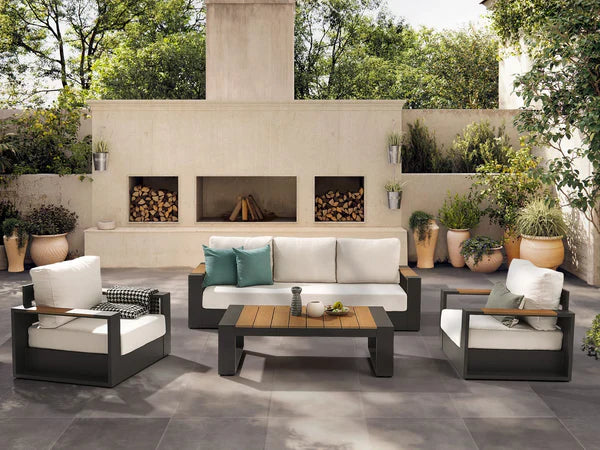
As outdoor living continues to become an extension of the modern home, choosing the right furniture is more important than ever. Whether you’re furnishing a spacious patio, a poolside deck, or a cozy backyard, L-shaped outdoor sectionals offer a perfect balance of comfort, flexibility, and style. Unlike traditional outdoor sofas, sectionals are designed to adapt to your space and lifestyle—making them one of the most versatile outdoor seating solutions available today. Why Choose an L-Shaped Outdoor Sectional? 1. Maximized Seating Without Wasting Space The L-shaped layout is ideal for making the most of corner areas and open patios alike. It naturally creates a welcoming conversation zone while offering generous seating for family and guests. Because most outdoor sectionals are modular, you can easily adjust the layout as your needs change—whether you’re hosting a weekend gathering or enjoying a quiet evening outdoors. 2. Comfort That Feels Like an Indoor Living Room Today’s outdoor sectionals are designed with indoor-level comfort in mind. Deep seats, supportive backrests, and thick cushions allow you to relax for hours—perfect for lounging, entertaining, or even afternoon naps. Many designs featured in the Sunsitt outdoor sectional emphasize ergonomic seating and wide proportions, ensuring both comfort and visual balance in your outdoor space. 3. Built to Handle Outdoor Conditions A high-quality L-shaped outdoor sectional should do more than look good—it should last. Modern outdoor sectionals often feature: Rust-resistant aluminum or durable wood frames Weather-resistant cushions that handle sun exposure and light rain Fade-resistant fabrics designed for long-term outdoor use Sunsitt’s outdoor sectionals are crafted with these essentials in mind, combining durability with refined aesthetics suitable for year-round outdoor living. A Style for Every Outdoor Space One of the biggest advantages of L-shaped sectionals is their ability to complement different design styles. Whether your outdoor area leans toward modern minimalism, warm natural textures, or relaxed resort vibes, there’s a sectional configuration to match. Neutral tones, clean silhouettes, and thoughtfully selected materials make outdoor sectionals easy to pair with coffee tables, fire pits, or outdoor rugs—helping you create a cohesive and inviting space. How to Choose the Right L-Shaped Sectional Before selecting your outdoor sectional, it’s important to consider both your space and how you plan to use it. A well-chosen L-shaped sectional should feel comfortable, fit naturally into your layout, and support your outdoor lifestyle for years to come. 1. Space Size & Layout Start by measuring your patio, deck, or backyard area carefully. An L-shaped sectional should leave enough room for walking paths, side tables, and other outdoor elements without making the space feel crowded. In smaller areas, a compact or modular design works best, while larger patios can accommodate deeper seating and extended configurations. 2. Intended Use Think about how you’ll use the sectional most often. If you frequently entertain guests, look for layouts that maximize seating and encourage conversation. For everyday lounging or family use, deep seats, supportive backrests, and optional ottomans can significantly enhance comfort. 3. Material Preference Outdoor sectionals come in a variety of materials, each with its own advantages. Aluminum frames are lightweight, rust-resistant, and easy to move, making them ideal for low-maintenance outdoor spaces. Wood options offer a warm, natural look and work well in classic or resort-style settings, while mixed materials combine durability with visual interest. 4. Cushion & Fabric Quality Comfort goes beyond frame materials. Pay attention to cushion thickness and fabric performance. High-quality outdoor cushions should be quick-drying, fade-resistant, and designed to withstand sun exposure and changing weather conditions. 5. Maintenance Level Consider how much time you’re willing to spend on upkeep. Low-maintenance materials and weather-resistant fabrics are perfect for busy lifestyles, allowing you to enjoy your outdoor space without constant care or worry. Recommended Pick: Addison Modern Outdoor Aluminum L-Shaped Sectional If you’re looking for a sectional that combines flexibility, durability, and modern design, the Addison Modern Outdoor Aluminum L-Shaped Sectional Sofa Set is an excellent choice. This set features a modular design that allows multiple layout configurations, making it easy to adapt to different patio sizes and outdoor setups—whether you want a classic L-shape, a chaise-style lounger, or separated seating for entertaining. The lightweight aluminum frame offers strong rust resistance while remaining easy to reposition, ideal for long-term outdoor use. The neutral linen beige cushions pair beautifully with the champagne-finished aluminum frame and wood-look side surfaces, creating a clean, modern aesthetic that works well in contemporary patios, poolside spaces, and resort-style backyards. Deep seating and supportive cushions provide everyday comfort, while the weather-resistant materials help minimize maintenance. The Addison sectional is a smart option for homeowners who want a stylish, low-maintenance L-shaped outdoor sectional that delivers both comfort and versatility without sacrificing durability. An L-shaped outdoor sectional is more than just seating—it’s the foundation of your outdoor lifestyle. With its flexible layout, inviting comfort, and long-lasting materials, it transforms patios and backyards into true living spaces. If you’re looking to upgrade your outdoor area with a stylish and functional solution, an L-shaped outdoor sectional is a smart investment—one that brings people together and makes every moment outdoors more enjoyable.
Learn more
Do Wooden Furniture Pieces Always Need a Protective Finish?
Wooden furniture has a timeless appeal—warm, natural, and full of character. But one common question buyers ask is: “Does wooden furniture always need to be painted or sealed?” The short answer: not always, but choosing whether or not to apply a finish depends on your environment, aesthetic preferences, and how you plan to use the furniture. Why Applying a Protective Finish Matters 1. Protects the Wood from Damage When raw wood is directly exposed, it is more vulnerable to scratches, abrasion, moisture, and UV rays. A protective coating—whether paint, oil, or sealant—creates a durable barrier that significantly extends the furniture’s lifespan. A finish helps regulate how wood interacts with humidity in the air. This is crucial in places with extreme dryness or high humidity, as it reduces the risk of warping, swelling, or cracking. 2. Enhances Visual Appeal A well-applied finish refines the natural beauty of wood: Minimizes uneven color patches Highlights wood grain patterns Improves sheen and texture Helps conceal small surface imperfections Finishing allows the furniture to look polished and cohesive, especially in modern or contemporary outdoor settings. 3. Makes Cleaning and Maintenance Easier Without a finish, wood pores remain open, allowing dust, oils, and dirt to settle inside. Finished wood, on the other hand, has a smoother sealed surface: Wipes clean with a damp cloth Resists staining Requires minimal maintenance compared to unfinished wood For households that value convenience, a protective finish is often the practical choice. The Mori Wooden Outdoor Dining Set uses a finished surface to enhance outdoor durability. Even though the set features stylish nylon-corded chairs and a natural wood frame, its protective finish adds resistance against moisture and sun exposure, making it ideal for everyday outdoor use. When You Don’t Need to Apply a Finish Although finishing has many benefits, there are situations where going natural is the better option. 1. When You Prefer a Raw, Natural Look Some homeowners love the authentic, tactile feel of raw wood. Unfinished wood retains its natural “breathability” and rustic charm, making it perfect for minimalist, bohemian, or eco-inspired decor. 2. When the Wood Has Undergone Alternative Treatments Modern woodworking techniques can improve durability without traditional coatings. For example, the Thalea outdoor wood furniture sets use wire-brushed detailing and kiln-drying processes, which: Enhance natural grain texture Increase moisture resistance Improve structural stability Add natural anti-corrosion benefits Because of these treatments, Thalea furniture maintains a beautifully organic appearance while still offering outdoor-ready performance—without relying heavily on paint or thick surface coatings. How to Choose: Finished vs. Unfinished Wood Here’s a quick guide to help you decide: Preference / Condition Choose Finished Wood Choose Natural / Unfinished Wood High humidity, rain, outdoor use ✔ Better protection ✖ Not ideal unless treated Want low maintenance ✔ Easy to clean ✖ Requires more care Prefer glossy or polished appearance ✔ Looks refined ✖ Too rustic Love natural texture, matte look ✖ Less raw feel ✔ Very natural Minimalist or rustic style Optional ✔ Perfect fit In short, wooden furniture doesn’t always require a heavy finish, but the right treatment depends on your environment and style preference. Finished pieces offer durability and easy maintenance, while naturally treated collections like Thalea highlight authentic texture with reliable outdoor performance. No matter which style you choose, proper upkeep is essential—how to care for wood outdoor furniture comes down to regular cleaning, avoiding prolonged moisture exposure, and reapplying protective oils or sealants when needed to keep your pieces looking their best.
Learn more
How to Repair a Loose Rattan Chair?
Rattan furniture adds a touch of natural elegance and comfort to any space, but over time, those beautiful woven rattan strands can start to loosen or unravel. Don’t fret—with a few simple tools and a bit of patience, you can restore your rattan chair to its former glory. In this guide, we’ll walk you through the step-by-step process of repairing loose rattan, complete with tips and visual aids to make the project a breeze. Tools and Materials You’ll Need Replacement rattan strands (match the color and thickness of your chair) Warm water (for soaking rattan) Wood glue or waterproof adhesive Scissors or sharp knife Masking tape or small tacks Sandpaper (200-grit) Needle-nose pliers (optional, for tight spaces) Step 1: Prepare the Damaged Area Start by examining the loose or broken rattan. Use scissors to trim any frayed or damaged ends, creating clean cuts. If the rattan is detached from the frame, gently sand the attachment points (both the rattan strand and the frame) with 200-grit sandpaper. This roughens the surface, helping the glue adhere better. Step 2: Soak New Rattan Strands If you’re replacing a section of rattan, cut a new strand that’s at least 5 inches longer than the area you’re repairing. Soak the new strand in warm water for 20–30 minutes—this makes the rattan flexible and easier to weave. Step 3: Apply Adhesive Spread a thin layer of wood glue or waterproof adhesive onto the sanded attachment points and along the length of the loose rattan strand. If the strand is twisted or interwoven with others, use a small tool (like a toothpick) to work the glue into the gaps. Step 4: Reattach and Secure the Rattan For loose strands: Press the glued rattan back into place, following the original weave pattern. Use masking tape to hold it steady while the glue dries. If tape doesn’t work, use small tacks to secure the strand to the frame (remove them once the glue is dry). For replacement strands: Weave the soaked rattan into the chair, matching the existing pattern. Pull it tight as you go to ensure a snug fit. Trim any excess once the weave is complete. Step 5: Let It Dry and Finish Allow the glue to dry completely (follow the manufacturer’s instructions, usually 24 hours). Once dry, remove the tape or tacks. For extra protection, apply a coat of clear lacquer or shellac to the repaired area—this seals the rattan and prevents future damage. Pro Tips for Perfect Repairs Match the Weave Pattern: Take a photo of your chair’s original weave before starting—this ensures you replicate it accurately. Use the Right Rattan: Visit a craft store or online retailer to find replacement strands that match your chair’s color and thickness. Prevent Future Damage: Keep your rattan chair out of direct sunlight and extreme heat, as these can dry out and crack the rattan over time. With these steps, you can easily fix loose rattan and extend the life of your favorite chair. Happy repairing! 🌿 If too many sections of the rattan have come loose and the furniture has already been used for many years, I would recommend replacing it with new outdoor furniture. Don’t assume that getting something new will cost a lot—Sunsitt offers a wide range of high-quality, affordable pieces for you to choose from.
Learn more
Why Adjustable Feet Matter on Outdoor Furniture?
When we talk about outdoor furniture, people often focus on the obvious — the beauty of the wood grain, the softness of the cushions, or the elegant curve of a chair’s armrest. But there’s one small component that quietly supports it all, ensuring balance, protection, and durability: the adjustable feet. It might look like a tiny piece of plastic or rubber attached to the bottom of a chair leg, but in reality, this small feature plays a huge role in how your outdoor furniture performs over time. Facing the Challenges of the Outdoors Outdoor furniture lives in an unpredictable world. Unlike indoor furniture, which rests on perfectly flat floors and enjoys a controlled environment, outdoor pieces face the sun, rain, wind, and shifting ground. Decks warp slightly with humidity. Patios and gardens often have uneven surfaces. Poolside tiles can be slippery. These are all conditions that can cause furniture to wobble, tilt, or wear out unevenly over time. That’s where adjustable feet come in — a simple yet ingenious feature that solves these common problems effortlessly. Stability on Any Surface One of the biggest advantages of adjustable feet is their ability to level your furniture on uneven ground. By simply twisting the base of each leg, you can fine-tune the height until the chair or table sits perfectly steady. This matters more than you might think. A stable dining table ensures that drinks don’t spill and meals are enjoyed comfortably. A chair that doesn’t wobble offers better posture support and an overall better seating experience. Whether your outdoor setup is on a tiled patio, a wooden deck, or even a grassy area, adjustable feet make sure your outdoor dining set remains balanced and safe. Protection and Longevity Adjustable feet do more than balance your furniture — they protect it. By slightly elevating the legs, they prevent direct contact between the wood and the ground. This small gap allows for better air circulation and helps keep moisture away from the furniture’s base — one of the main causes of wood decay or rust on metal frames. This means your beautiful teak, acacia, or eucalyptus chairs and tables will last longer and maintain their natural finish for years. It’s a small detail that makes a big difference in the longevity of outdoor furniture. Slip-Resistant and Safe Outdoor spaces often feature smooth surfaces like ceramic tiles, concrete, or even marble around swimming pools. These can become slippery when wet, posing safety risks. Adjustable rubber feet help anchor the furniture in place, adding an element of anti-slip stability. You can relax by the pool or host a gathering on your patio without worrying about your chairs shifting or sliding unexpectedly. Easy Replacement and Maintenance Another often-overlooked advantage is convenience. If one of the feet wears out, it’s easy to replace — no need for tools or professional help. This simple maintenance step can save you from costly repairs or having to replace a piece entirely. It’s practical, sustainable, and cost-effective — a reflection of good design thinking. A Sign of Thoughtful Design Unfortunately, not every brand pays attention to this level of detail. Many outdoor furniture pieces skip the adjustable foot design altogether, which can lead to frustration and faster wear. At Sunsitt, we believe true craftsmanship lies in the details. Every table, chair, and sofa we design — from our elegant wood outdoor dining chairs with curved backrests to our full outdoor dining sets — comes equipped with adjustable feet. It’s part of our commitment to creating furniture that’s not only beautiful but also built to perform and last. Small Detail, Big Difference So the next time you’re shopping for outdoor furniture, take a closer look at the legs. Do they have adjustable feet? If not, you might be missing out on one of the most practical and valuable features available. Outdoor furniture should adapt to your space, not the other way around. And with adjustable feet, it finally can. At Sunsitt, we believe that great design begins with understanding how people live — and that means creating furniture that blends beauty, comfort, and functionality in every detail, even the smallest ones. Because sometimes, the little things make the biggest difference.
Learn more
How to Buy Wooden Furniture Without Getting Ripped Off: A Complete Guide
Wooden furniture has long been a beloved choice for homeowners, and it’s easy to see why. Its natural beauty adds warmth to any space, while its unique texture brings a touch of elegance that synthetic materials simply can’t match. But when it comes to buying wooden furniture—whether for your living room or your backyard—navigating the endless options can feel overwhelming. From different wood types to varying construction methods, there’s a lot to consider to avoid overpaying or ending up with a piece that doesn’t stand the test of time. Let’s break down everything you need to know, starting with the key differences between indoor and outdoor wooden furniture. Indoor Wooden Furniture: Know Your Materials to Avoid Cheap Alternatives Walk into any furniture store, and you’ll hear terms like “solid wood,” “particle board,” and “pressed wood” thrown around. These labels aren’t just jargon—they directly impact quality, durability, and value. Here’s what you need to distinguish: Solid Wood: The gold standard for indoor furniture. Made from whole pieces of wood (like oak, maple, or walnut), solid wood is durable, ages beautifully, and can be refinished if it gets scratched or faded. However, it’s also more expensive, so be wary of “solid wood” claims that come with suspiciously low prices—always check the grain and weight (solid wood feels heavier than alternatives). Particle Board (or “Chipboard”): Made from wood chips glued together with resin, particle board is a budget-friendly option but far less durable. It’s prone to warping if exposed to moisture (even a spilled drink!) and can’t be refinished. If you’re buying particle board furniture, look for thick panels and edge banding (a protective layer around the edges) to extend its lifespan—but don’t expect it to last more than a few years. Pressed Wood (or “MDF”): Medium-Density Fiberboard (MDF) is made from finer wood fibers pressed with resin, making it smoother than particle board. It’s often used for furniture with painted finishes (since it holds paint well) but is still not as strong as solid wood. Like particle board, it’s vulnerable to moisture, so avoid using it in bathrooms or kitchens. Plywood: Often misunderstood as a “cheap substitute,” plywood is actually a versatile, mid-range material that balances durability and affordability. It’s made by gluing together thin layers (called “plies” or “veneers”) of real wood, with each layer’s grain running perpendicular to the one above it. This cross-grain construction makes plywood stronger than particle board or MDF, as it resists warping, cracking, and shrinking—even when exposed to minor moisture (though it’s still not waterproof). The biggest “pitfall” with indoor wooden furniture? Sellers marketing particle board, plywood or MDF as “wooden furniture” without clarifying the material. Always ask: “Is this solid wood, or a composite?” A transparent seller will answer directly—and if they don’t, walk away. Outdoor Wooden Furniture: Durability Is Non-Negotiable (Here’s What to Choose) Outdoor wooden furniture faces a much harsher environment: intense sunlight, heavy rain, humidity, and even pests. That’s why outdoor pieces are typically made from more durable woods than indoor furniture—but not all outdoor woods are created equal. Let’s break down the top options, from luxury to budget-friendly: 1. Teak: The “Gold Standard” of Outdoor Wood Teak is widely regarded as the best wood for outdoor furniture—and for good reason. Native to Southeast Asia, teak contains natural oils and silica that make it resistant to rot, water damage, and insects. It doesn’t warp or crack in extreme temperatures, and it ages gracefully: over time, it develops a silvery-gray patina (though you can maintain its warm golden color with teak oil). The only downside? Teak is expensive. A teak dining set can cost thousands of dollars, but it’s an investment—well-cared-for teak furniture can last 50 years or more. If you’re looking for longevity and don’t mind the price tag, teak is worth every penny. 2. Eucalyptus Wood: A High-Quality, Affordable Alternative Eucalyptus (specifically Eucalyptus grandis or “flooded gum”) is a fantastic middle-ground option. Like teak, it’s naturally resistant to rot and insects, thanks to its high oil content. It’s also strong and durable, able to withstand rain and sun without warping. Eucalyptus has a rich, reddish-brown color that looks similar to teak, and it can be treated with oil to maintain its hue or left to patina softly. The best part? Eucalyptus is significantly cheaper than teak—often half the price—while still offering great durability. It’s a popular choice for outdoor sofas, chairs, and benches, and it works well in both modern and traditional outdoor spaces. 3. Acacia Wood: Stylish and Budget-Friendly Acacia is another excellent option for budget-conscious shoppers. This hardwood is dense, scratch-resistant, and naturally water-repellent, making it ideal for outdoor use. It has a distinctive grain pattern (often with warm brown or amber tones) that adds visual interest to any patio or deck. While acacia isn’t as long-lasting as teak (it typically lasts 10–15 years with proper care), it’s much more affordable. To extend its life, treat it with a water-resistant sealant once a year and store it in a covered area during harsh winters. Acacia is perfect for anyone who wants stylish outdoor furniture without breaking the bank. Beyond Wood Type: Other Factors That Affect Price (and Quality) When shopping for wooden furniture—indoor or outdoor—price isn’t just about the wood itself. Two pieces made from the same wood can vary drastically in cost, thanks to: 1. Wood Thickness Thicker wood = more durability (and higher cost). For outdoor furniture, look for table tops or chair frames that are at least 1.5 inches thick—thinner pieces are more likely to crack or bend under weight. For indoor furniture, solid wood legs or frames should feel sturdy (avoid flimsy, thin pieces that wobble). For plywood, thicker panels (e.g., 3/4-inch vs. 1/2-inch) offer more strength, especially for furniture that bears weight (like bookshelves or dining tables). 2. Design Complexity Simple, minimalist designs are usually cheaper than intricate ones. For example, a basic teak bench will cost less than a teak bench with carved details or curved arms. That said, complex designs aren’t always a “rip-off”—they often require more skill and time to make. Just make sure you’re paying for craftsmanship, not just a brand name. 3. Material Combinations Many modern wooden furniture pieces combine wood with other materials to boost durability and style. Common combinations include: Wood + Rope: Rope (usually synthetic) adds a casual, coastal vibe and is resistant to fading. Great for outdoor chairs or indoor accent pieces. Wood + Wicker: Wicker (often polyethylene, which is weatherproof) pairs beautifully with wood for a timeless look. Outdoor wicker-wood sets are lightweight and easy to maintain. Wood + Aluminum: Aluminum frames add strength without adding weight, making furniture easier to move. This combination is perfect for outdoor dining sets, as aluminum resists rust. These combinations can sometimes cost more than all-wood pieces, but they often offer better performance (e.g., aluminum legs prevent wood from touching wet ground, reducing rot risk). Final Tips to Avoid Getting Ripped Off Do your research: Before shopping, learn the average price of the wood type you want (e.g., teak vs. acacia, solid wood vs. plywood). If a price seems too good to be true, it probably is. Check the construction: For outdoor furniture, look for mortise-and-tenon joints (stronger than screws or nails) and sealed edges. For indoor furniture, open drawers to check for smooth glides and solid bottoms—if a piece uses plywood, ensure the edges are banded (to prevent splitting) and the veneer is free of bubbles. Ask about warranties: Reputable brands offer warranties. Amazon stores typically only offer a 1-year warranty for their furniture, and some don’t provide any warranty at all. In contrast, independent brand websites often offer much longer warranty periods. For instance, Sunsitt provides an extensive 5-year warranty, as detailed on its official page: https://Sunsitt.com/pages/warranty. A lack of warranty is a red flag. Shop from trusted sellers: Avoid big-box stores that sell low-quality composite furniture as “wooden.” Instead, shop from specialty furniture stores or online retailers with positive reviews—they’re more likely to clarify material types upfront. Specializing exclusively in outdoor furniture, Sunsitt has over 20 years of experience in the outdoor furniture industry. It owns its independent manufacturing facility, boasting rich expertise in crafting outdoor furniture. Moreover, the brand updates its product lines annually, with each new generation featuring even better quality than the previous one. Therefore, it is advisable to avoid purchasing furniture from general "dollar-store" style retailers or middlemen. Choosing a professional, established brand like Sunsitt ensures better product quality and more reliable after-sales support. Buying wooden furniture is an investment in your home—so take the time to choose wisely. Whether you’re furnishing a cozy living room with plywood cabinets or a sun-soaked patio with teak chairs, focusing on quality materials, construction, and transparency will help you avoid pitfalls and enjoy your furniture for years to come. Happy shopping!
Learn more
Outdoor Wooden Furniture Maintenance: Solving Common Issues for Long-Lasting Natural Beauty
Outdoor wooden furniture adds a touch of natural elegance to patios, gardens, and decks, creating a cozy space for relaxation and gatherings. However, exposed to the elements year-round, it’s prone to various problems that can dull its beauty and reduce its lifespan. Understanding these common issues and knowing how to fix them is key to keeping your outdoor wooden furniture in top shape. Common Problems with Outdoor Wooden Furniture 1. Cracking The primary culprits behind cracking are changes in wood moisture content, fluctuations in environmental humidity, and prolonged exposure to direct sunlight or dry conditions. These factors cause the wood to expand and contract unevenly, leading to cracks over time. Small to large cracks appear on the surface; in severe cases, cracks may run through the entire board, compromising the furniture’s structural integrity. 2. Warping Warping often occurs due to moisture absorption (e.g., heavy rain), extreme temperature changes, improper installation (such as failing to leave gaps for expansion), or flawed structural design of the furniture. Legs of chairs or tables bend, tabletops become curved or bowed, and the overall frame twists, making the furniture unstable or uneven. 3. Fading Long-term exposure to ultraviolet (UV) rays from the sun is the main cause of fading. Rainwater washing and the aging of surface coatings (e.g., paint or oil) also contribute to color loss. The wood’s original color lightens significantly, and it loses its natural luster—this is most noticeable on areas directly exposed to sunlight, such as table surfaces or chair backs. 4. Peeling Paint/Coating Damage Daily wear and tear, such as scratches or impacts from outdoor activities, can damage the coating. Poor-quality coatings or aging (due to weathering) also lead to peeling. Paint or protective coatings flake off, leaving patchy areas. The bare wood underneath may be exposed, and scratches or scuff marks become more visible. 5. Insect Infestation/Mold Growth If the wood wasn’t properly treated with anti-corrosive or insect-resistant products during manufacturing, it becomes vulnerable. Damp environments (e.g., frequent rain, poor ventilation) create ideal conditions for mold growth and attract wood-boring insects. Small holes (from insects) or dark, fuzzy mold spots appear on the wood surface. The wood may feel soft or brittle to the touch, and in severe cases, it may start to rot. 6. Loose Joints Over time, regular use can loosen screws, nails, or other hardware. Additionally, exposure to moisture can cause metal hardware to rust, further weakening the connections. Furniture parts (e.g., chair arms, table legs) feel wobbly. You may hear creaking sounds when using the furniture, and in extreme cases, parts may start to separate. Practical Repair Methods 1. Fixing Cracks Small Cracks: Use a wood filler that matches the color of your furniture. Apply the filler to the crack, let it dry completely, then sand the area smooth with fine-grit sandpaper. Finish by applying a coat of clear varnish or wood wax to blend it with the surrounding surface. Large Cracks: Cut a piece of wood (matching the furniture’s wood type and color) to fit the crack. Apply wood glue to the piece and insert it into the crack. Clamp the area tightly and let the glue dry overnight. Once dry, sand the surface until it’s even, then apply paint or protective oil to seal it. 2. Correcting Warping Mild Warping: Use clamps or ropes to gently pull the warped part back into shape. Secure the furniture in this position and leave it in a well-ventilated, dry area for several days (or weeks, depending on the severity). The wood will gradually adjust to the corrected shape. Severe Warping: If the warping is too extreme to fix with clamping, replace the warped board or component. Measure the damaged part accurately, cut a new piece of wood to size, and reattach it using wood glue and hardware (e.g., screws). Ensure the new part is properly aligned to avoid future warping. 3. Restoring Faded Color Mild Fading: Use a wood stain or wood wax oil that matches the original color. Clean the furniture surface first, then apply the stain/oil with a brush or cloth, working in the direction of the wood grain. Let it dry completely to restore the color and luster. Severe Fading: Start by sanding the surface with medium-grit sandpaper to remove the old, faded coating. Wipe away the sanding dust, then apply a new coat of stain or outdoor wood paint. For added protection, finish with a clear UV-resistant varnish to prevent future fading. 4. Repairing Peeling Paint/Coatings Small Peeling Areas: Scrape off any loose paint with a putty knife, then sand the area lightly to smooth the edges. Clean the surface with a damp cloth and let it dry. Use a small brush to apply touch-up paint (matching the furniture’s color) to the peeled spot. Once dry, add a coat of clear sealer to protect the repair. Large Peeling Areas: Remove all loose paint using a paint scraper or sanding block. Sand the entire surface until it’s smooth and free of old coating residue. Clean the surface thoroughly and let it dry. Apply a primer (if needed) to help the new paint adhere, then brush on a fresh coat of outdoor wood paint or protective oil. Allow the paint to dry completely before using the furniture. 5. Treating Insect Infestation & Mold Insect Infestation: First, use an outdoor-safe insecticide (specifically for wood-boring insects) to kill any remaining pests. Spray the insecticide directly on the affected areas and into the insect holes. Let it dry according to the product instructions. Once the insects are eliminated, fill the holes with wood filler, sand the surface, and apply a protective coating to prevent future infestations. Mold Growth: Mix a solution of bleach and water (1 part bleach to 4 parts water) in a bucket. Wear gloves and a mask to protect yourself, then use a sponge or brush to scrub the moldy areas gently. Rinse the surface thoroughly with clean water and let it dry completely in the sun. For extra protection, apply a mold-resistant wood treatment after drying. 6. Tightening Loose Joints Loose Hardware: Use a screwdriver or wrench to tighten any loose screws, bolts, or nuts. If the hardware is stripped or damaged, replace it with new pieces—preferably stainless steel or galvanized hardware, as these are resistant to rust and corrosion. Rusty Hardware: Use sandpaper or a wire brush to remove rust from the hardware. Wipe the hardware clean, then apply a thin layer of rust-resistant oil. If the rust is too severe, replace the hardware entirely to ensure a secure connection. Essential Daily Maintenance Tips To prevent common issues and extend the life of your outdoor wooden furniture, follow these simple maintenance habits: Regular Cleaning: Wipe down the furniture with a soft cloth and mild soapy water every 2–3 weeks to remove dirt, dust, and debris. Avoid using harsh detergents, as they can damage the wood or coating. Protect from the Elements: Use a waterproof furniture cover when the furniture isn’t in use, especially during heavy rain or snow. If possible, place the furniture under an awning or patio cover to shield it from direct sunlight and excessive moisture. Routine Inspections: Check the furniture every month for signs of damage (e.g., cracks, loose joints, mold). Address small issues immediately—this prevents them from turning into larger, more costly problems. Annual Deep Maintenance: At least once a year (ideally in spring or fall), give your furniture a deep clean, sand any rough areas, and reapply a coat of outdoor wood oil or varnish. This replenishes the wood’s moisture and reinforces its protection against the elements. By understanding common problems, knowing how to repair them, and sticking to a regular maintenance routine, you can enjoy your furniture’s beauty and functionality for years to come. With the right care, your outdoor wooden pieces will continue to be a focal point of your outdoor space, creating memorable moments with family and friends.
Learn more
How to Clean Outdoor Sofa Cushion Covers: A Material-Based Guide
Outdoor sofa cushion covers are exposed to sun, rain, dust, and stains year-round—keeping them clean is key to maintaining their durability and appearance. But here’s the catch: not all cushion cover materials are machine-washable, and using the wrong cleaning method can ruin their performance (like waterproof or UV-resistant coatings). To help you care for your outdoor cushions properly, we’ve broken down cleaning tips by material, including whether they can be machine-washed and step-by-step care instructions. First, let's take a look at the common materials used for outdoor sofa cushion covers: Polyester: It boasts excellent wear resistance and wrinkle resistance, and is not prone to deformation. Specially treated polyester—such as the recycled PET bottle polyester used in IKEA Froså chair cushion covers—features water resistance and light resistance. It has bright colors that are hard to fade, and is machine-washable for easy cleaning. Polypropylene (PP): It exhibits outstanding UV resistance, which effectively prevents fading. Meanwhile, it has the characteristics of quick-drying, stain resistance and mildew resistance, making it highly suitable for humid outdoor environments. Being lightweight and relatively affordable, it is a cost-effective choice. Acrylic: Cushion covers made of acrylic fiber have excellent color fastness and water resistance. They can withstand long-term sun exposure without fading, are easy to clean, and have strong mildew and stain resistance—making them one of the ideal materials for outdoor sofa cushion covers. Solution-dyed acrylic: This material is dyed during the fiber manufacturing process, resulting in extremely high color stability. Even when exposed to intense sunlight for a long time, it rarely fades. Additionally, it possesses good water resistance and stain resistance, requires simple maintenance, and has a long service life. Sunbrella Fabric: As a high-end fabric specifically designed for outdoor use, it is renowned for its superior durability, UV resistance and stain resistance. It can effectively withstand various harsh weather conditions without fading, mildewing or getting damaged. Although it comes with a higher price tag, its excellent quality makes it suitable for users who have high requirements for the quality of outdoor furniture. PVC-coated Fabric: A layer of PVC material is coated on the surface of the fabric, endowing it with strong water resistance and stain resistance. It is easy to wipe clean and can effectively protect the filling inside the cushion. However, the PVC coating may affect the fabric's breathability, potentially causing a stuffy feeling during use. How to Clean Outdoor Furniture Cushion Covers? Machine-Washable Materials – Easy Cleaning with Precautions These materials are designed for outdoor use and can handle machine washing, but you’ll need to follow specific settings to avoid damage (e.g., shrinkage, faded colors). 1. Polyester (Including Recycled PET) Machine-Washable?✅ Yes (most styles) Step-by-Step Cleaning Pretreat Stains: Use a soft-bristle brush dipped in water or neutral detergent to gently scrub local stains (e.g., oil, dirt). Machine Settings: Choose the "delicate cycle" with cold water (≤30℃). Use a neutral laundry detergent—avoid products with bleach or optical brighteners. Dehydration & Drying: Dehydrate at a low spin speed (≤800 RPM) to prevent stretching. Hang the cover upside down in a cool, ventilated area to air-dry (avoid direct sunlight, which accelerates fiber aging). Do not tumble dry. Key Notes If the cushion has a foam insert, remove it first (most outdoor designs are detachable) and only wash the cover. For recycled PET covers (like those from IKEA’s Frosåne collection), check the product label—some styles may limit washing frequency (1-2 times per season is recommended). 2. Polypropylene (PP) Machine-Washable? ✅ Yes (delicate cycle recommended) Step-by-Step Cleaning Spot Cleaning: Wipe small stains with a damp cloth dipped in diluted neutral detergent. For tough stains, soak the cover in warm water (≤40℃) for 10-15 minutes. Machine Settings: Wash with cold or warm water (avoid high temperatures, which cause shrinkage) on the delicate cycle. Use a neutral detergent. Drying: Air-dry naturally—polypropylene dries quickly, so no long sun exposure is needed. Key Notes Polypropylene is durable but heat-sensitive—never tumble dry(high heat will make it stiff and misshapen). Avoid strong alkaline detergents, as they may damage the stain-resistant coating. 3. Acrylic (Regular Styles) Machine-Washable?✅ Yes (check product instructions first) Step-by-Step Cleaning Pretreat: Moisten stained areas, apply a small amount of neutral laundry detergent, and let it sit for 5 minutes before gently rubbing. Machine Settings: Wash in cold water on the delicate cycle. Use a detergent designed for outdoor fabrics (or neutral laundry detergent). Avoid washing with dark clothes (to prevent slight fading—wash separately for the first use). Drying: Hang upside down in a ventilated area to dry. Avoid direct sunlight to preserve color fastness. Key Notes Some regular acrylic covers have a waterproof coating—frequent machine washing may reduce water resistance. Prioritize spot cleaning, and limit machine washing to once a month. Never use bleach or oxidizers—they will damage the fiber structure. Materials Requiring Caution or No Machine Washing – Prioritize Spot Cleaning These materials (often high-end or specially coated) can be damaged by machine washing—including ruined coatings or distorted fabric. Stick to spot cleaning, and only machine wash if the brand explicitly allows it. 1. Solution-Dyed Acrylic Machine-Washable?⚠️ Proceed with caution (spot cleaning recommended) Step-by-Step Cleaning Daily Care: Vacuum the surface weekly with a soft-brush attachment to remove dust. Spot Cleaning: For stains, wipe gently with a damp cloth dipped in warm water mixed with neutral detergent (1:20 ratio). For tough stains, repeat wiping, then clean residual detergent with water. Special Cases: If machine washing is necessary, use cold water and the delicate cycle—only with water or outdoor-specific detergent. Air-dry immediately after washing; do not dehydrate (to avoid coating peeling). Key Notes The biggest advantage of solution-dyed acrylic is its high color fastness, but its coating is delicate—frequent machine washing damages stain-resistant and waterproof coatings, shortening its lifespan. Never use alcohol, bleach, or fabric softeners—they will corrode the fabric. 2. Sunbrella Fabric Machine-Washable?⚠️ Not recommended (official guidelines suggest spot cleaning) Step-by-Step Cleaning Daily Maintenance: Rinse surface dust with water (use a gentle shower spray) and air-dry. Stain Treatment: Liquid stains (e.g., drinks): Blot moisture with a dry cloth immediately, then rinse with water and air-dry. Tough stains (e.g., oil, mold): Apply Sunbrella-specific cleaner (or neutral detergent mixed with warm water), gently scrub with a soft brush, then rinse thoroughly. Deep Cleaning: For large-area dirt, remove the cover and scrub the entire surface with a soft brush dipped in diluted detergent. Rinse with water and hang to dry (avoid folding to prevent water spots). Key Notes Sunbrella is durable, but machine washing (especially high-speed dehydration) can distort the fabric texture and damage the coating—the official brand explicitly discourages machine washing Treat mold promptly: Long-term dampness causes mold growth. After cleaning, ensure the fabric dries completely (ventilate in a cool area for 24 hours). 3. PVC-Coated Fabric Machine-Washable?❌ No Step-by-Step Cleaning Daily Care: Wipe surface dust with a damp cloth, or rinse with water (PVC is highly waterproof, so water won’t damage it). Stain Cleaning: Wipe stains with a damp cloth dipped in warm water mixed with neutral detergent. For tough stains, gently rub with a small amount of non-abrasive toothpaste, then clean with water. Maintenance: Dry the surface with a clean cloth after cleaning to avoid long-term water accumulation (which can cause coating peeling at the edges). Key Notes PVC coating is non-breathable—machine washing causes the fabric and coating to separate and wrinkle. High temperatures or harsh detergents will also make PVC stiff and cracked. Never use a hard-bristle brush or steel wool—they will scratch the coating and destroy its waterproofness. General Cleaning Tips (For All Materials) Treat Stains Immediately: Outdoor cushions easily get drink spills, mud, or bird droppings. Clean stains within 12 hours to prevent them from seeping into the fabric (especially blended natural fibers, which are prone to permanent marks). Avoid Direct Sun Exposure: Even UV-resistant materials age faster under intense sunlight (e.g., midday summer sun). After cleaning, air-dry in a cool, ventilated area, or use a sunshade over the cushions. Regular Maintenance: Vacuum dust weekly and rinse the entire cover with water once a month (suitable for waterproof materials like PVC or Sunbrella) to extend its lifespan. Check the Product Label: Different brands may use special treatments (e.g., extra waterproof or anti-microbial coatings). Always follow the washing symbols on the label (e.g., washable, water temperature limits, bleach prohibition) for the best results. By matching your cleaning method to the cushion cover material, you’ll keep your outdoor furniture looking fresh and functional for years to come. Whether you’re dealing with a quick spot clean or a deep wash, these tips will help you avoid common mistakes and protect your investment!
Learn more
How to Elevate Your Garden Ambience with Soft Furnishings?
Everyone has a childhood memory of a playful yard—with dirt mounds, lawns, swings, and endless blooming flowers. Our longing for nature and courtyard spaces is instinctive. Whether indoors or outdoors, soft furnishings play an increasingly vital role. If you want to make your garden cozy and inviting, investing in garden soft furnishings is the way to go. 1. What Are Garden Soft Furnishings? Garden soft furnishings refer to movable items that enhance the courtyard’s ambiance and serve as decorations. They mainly fall into two categories: outdoor furniture and decorative accents. Outdoor Furniture Definition: Designed for outdoor or semi-outdoor public use, these pieces create a comfortable leisure space for relaxing in the courtyard. Key Requirements: Compared to indoor furniture, they must be windproof, sunproof, and easy to store, in addition to being comfortable. Types: Tables, chairs, sofas, outdoor dining sets, plus sun umbrellas, sun sails, barbecues, lounge chairs, and hanging chairs. Selection Tips: Prioritize both functionality and decorativeness. Choose stylish, personalized designs that reflect your taste—let them become a scenic spot in the courtyard. Decorative Accents Features: They have little practical function but are crucial for ambiance. You can use your imagination to decorate the courtyard freely. Common Types: Chandeliers, string lights, portable fire pits, decorative paintings, potted plants, whimsical ornaments, odds and ends, and iron art. Creative Ideas: Repurpose old household items for DIY decorative pieces. 2. How to Choose Garden Soft Furnishings? When selecting soft furnishings, balance functionality with overall aesthetic harmony. Follow these three core principles: 1) Durability & Comfort First The core of a garden is to enjoy life—so “comfort” is the foundation, and “durability” is the top priority for furniture. For outdoor furniture, prioritize materials like anti-corrosion wood, rust-resistant metal, and Textilene (a durable mesh fabric) that resist sun, rain, and wear. 2) Highlight Scenarios & Stories Add animal-shaped ornaments to make the garden as lively as a fairy tale. Or place vintage items like old stone mills to evoke cherished memories. 3) Emphasize Personality & Creativity Garden soft furnishings best reflect the owner’s taste and personality. Besides choosing favorite outdoor furniture, arrange them freely—just follow the rule of “pleasing to the eye and making you happy.” 3. Garden Soft Furnishing Matching Tips Tip 1: Match the Garden Style European/American Gardens: Opt for simple, abstract designs. Use outdoor furniture in white or trendy colors (max 3 main colors, focusing on color blocks). Pair with bold-colored fabrics (simple abstract patterns), small accessories, and pottery. Tip 2: Match Colors Different color combinations create distinct visual effects. Here are three recommended methods: Analogous Color Matching: Choose colors with similar traits (e.g., pink and light blue) or different shades/brightness levels of the same color family (e.g., pale yellow, bright yellow, egg yolk). This creates a harmonious, layered atmosphere. Contrasting Color Matching: Use soft furnishings with obvious color differences (not necessarily complementary colors). Color blocking adds novelty and fun, highlighting a bold, avant-garde style. Natural Color Matching: Use earthy tones from nature—brown, tan, gray, dark green. These create a serene, comfortable vibe and blend easily with the natural environment. Tip 3: Match Surrounding Hardscaping Soft furnishings should complement hardscaping (e.g., stone paths, concrete patios) to unify functionality and aesthetics. Here’s how to achieve a smooth transition: Start with the Overall Space: Consider both soft and hard elements from a holistic perspective. Leverage the natural environment to maintain a consistent theme, while balancing openness and privacy. Arrange soft furnishings in a staggered, natural way. Optimize for Specific Needs: Soft furnishings are the “finishing touch” after hardscaping. They can soften harsh lines and cover flaws. Arrange elements by “point, line, surface”. Ensure the color of soft furnishings aligns with the architectural style and hardscaping—use representative colors of the style. 4. Garden Soft Furnishing Maintenance Tips Soft furnishings are exposed to the elements year-round. Proper maintenance keeps them looking their best. Here’s how to care for different materials: Wood Furniture Long-term Storage (2+ weeks): Cover with a protective cover to avoid sun damage. Hardwood Furniture: Sand once a year, then reapply oil, stain, or polyurethane to form a protective layer. Daily Care: Regularly wipe off dust, debris, and excess water stains. Metal Furniture Basic Protection: Apply anti-rust primer + topcoat to prevent rust from moisture in cold, rainy weather. Repair: If fading, spots, or peeling paint appear, use special touch-up paint immediately to avoid affecting appearance and lifespan. Rattan Furniture Cleaning: Use a soft brush, cloth, or vacuum cleaner. Avoid collisions, scratches from sharp objects, and heat sources (high temperatures can soften and deform rattan). Maintenance: Prevent rattan at joints from being exposed (it may deform or twist). Rinse with a hose or wipe with a feather duster every few weeks to remove dust from gaps. Do not use household cleaners on stubborn stains—they may corrode the rattan. Fabric Furnishings Material Selection: Prioritize durable, fade-resistant, breathable, and quick-drying fabrics like Textilene or quick-dry cotton. For fade concerns, choose natural colors like linen gray, white, or brown. Daily Protection: Clean fabrics regularly (outdoor fabrics collect more dirt). Avoid prolonged sun exposure—use dust covers in summer, rain covers in rainy seasons, or large sun umbrellas/arbors for shade. Garden soft furnishings are the bridge between daily life and nature. To create a warm, welcoming garden, they are indispensable. With the right choices and care, your garden will become a cozy retreat you’ll never want to leave!
Learn more
How to Choose the Perfect Patio Dining Set for Your Outdoor Space?
Your patio is more than just a corner of your yard—it’s a hub for morning coffee, weekend barbecues, and evening gatherings with friends. The right dining set can turn this space into a functional, stylish extension of your home. But with so many options, how do you pick one that fits your needs, style, and budget? Let’s break it down step by step. 1. Start with Material: Durability Meets Style Outdoor furniture faces sun, rain, and temperature swings, so material matters most. Here are the top options to consider: Wood: Timeless Warmth Wooden dining sets bring natural elegance to any patio, blending classic charm with modern craftsmanship. Premium options like teak, acacia, and eucalyptus are known for weather resistance and durability—teak, in particular, ages beautifully, developing a silvery patina over time. Many wooden sets include practical features like umbrella holes, making them perfect for all-weather use. Explore a curated selection of high-quality options in wood dining sets. Wicker: Modern Versatility For a contemporary look with a relaxed vibe, wicker (or rattan) sets are a standout choice. High-quality HDPE wicker resists fading, mold, and mildew—far sturdier than traditional wicker. These sets often pair sleek frames with plush cushions, and some include extendable tables for extra flexibility, making them ideal for both casual meals and larger gatherings. Aluminum: Sleek & Low-Maintenance If you prioritize durability and easy upkeep, aluminum is the way to go. Rust-resistant and lightweight, aluminum dining sets are perfect for modern patios. Many feature extendable designs that can adapt to different group sizes, and their minimalist aesthetic pairs well with any decor. Aluminum’s ability to withstand harsh weather makes it ideal for year-round use. Learn more: Outdoor Dining Sets: Materials Comparison (Wood vs. Aluminum) 2. Size Matters: Match the Set to Your Space & Needs Your patio’s size and how you use it will dictate the perfect set. Ask: How many people do I usually host? Do I need extra space for occasional guests? For Small Gatherings (4 People) Compact and cozy, 4-person sets work great for couples, small families, or intimate patios. Round options are perfect for tight spaces, while some extendable designs can grow with your needs for larger get-togethers. For Medium Groups (6 People) The most popular choice for families, 6-person sets strike a balance between space and functionality. Rectangular or square tables in this category often fit seamlessly into average-sized patios, with enough room for daily meals and weekend guests. For Large Gatherings (8+ People) If you love hosting, an 8-person set (or larger) is a must. Extendable designs are key here—look for tables that can expand to seat 10 or more, paired with comfortable chairs that keep guests relaxed for hours. 3. Prioritize Functionality: Features That Elevate Your Experience Great patio sets do more than look good—they adapt to your lifestyle. Look for these key features: Extendable Tables: Perfect for flexible hosting, letting you adjust from intimate dinners to big parties in seconds. Umbrella Holes: A practical addition for sunny days, keeping you and your guests shaded without sacrificing style. Weather Resistance: All outdoor sets should withstand the elements, but materials like aluminum and HDPE wicker offer the lowest maintenance. Comfortable Seating: Cushioned chairs or ergonomic designs make long dinners enjoyable, turning meals into memorable moments. 4. Style: Coordinate with Your Outdoor Aesthetic Your dining set should complement your patio’s vibe. Whether you prefer: Rustic Charm: Wooden sets with natural grains add warmth and a connection to nature. Modern Minimalism: Aluminum or wicker sets with clean lines and neutral tones for a sleek, contemporary look. Cozy Elegance: Soft cushions, mixed materials (like wood and stone), or woven details that invite relaxation. Final Tips: Test & Invest Measure Your Space: Leave 3–4 feet of clearance around the set for easy movement. Check Durability: Look for high-quality materials and construction that will stand the test of time. Think Long-Term: A good patio set is an investment—choose one that grows with your needs, whether through extendable features or timeless style. With these tips, you’re ready to find a patio dining set that turns your outdoor space into a favorite gathering spot. For inspiration, explore curated collections that blend quality, style, and functionality—starting with wood dining sets for that timeless appeal.
Learn more