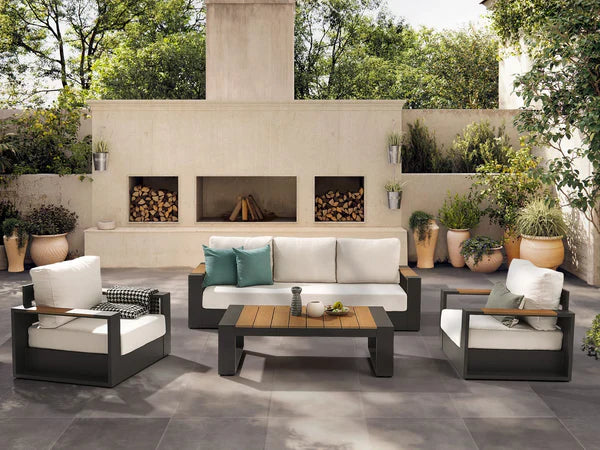

Blogs
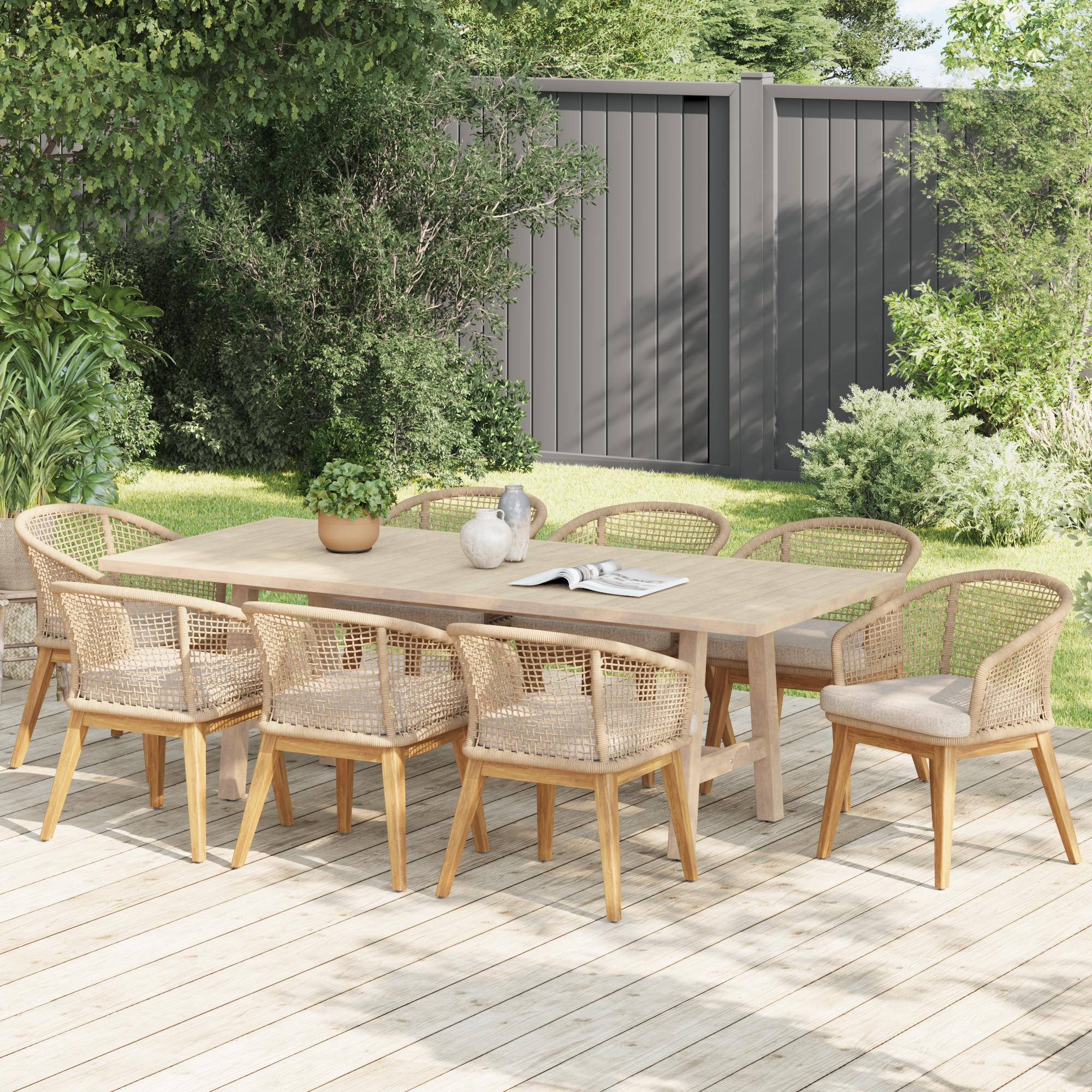

5 Outdoor Dining Tables to Avoid (and What to Buy Instead)
Choosing the right outdoor dining table can transform your patio into a functional, stylish space for gatherings—but pick the wrong one, and you’ll end up with a short-lived, frustrating investment. From health hazards to durability issues, here are five types of outdoor dining tables to steer clear of, plus our top alternatives that check all the boxes for quality, style, and longevity. 1. MDF (Medium-Density Fiberboard) Tables – Skip Them MDF tables are a budget trap for outdoor use. Made from compressed wood fibers and adhesives, they’re loaded with formaldehyde, a toxic chemical that off-gasses over time and poses health risks with long-term exposure. Worse, MDF soaks up moisture like a sponge, leading to warping, swelling, and mold—disasters for rainy or humid climates. Better Choice: Solid Wood Tables Opt for outdoor tables crafted from durable, naturally weather-resistant solid wood. Our top pick? The Thalea Rectangular Wood Outdoor Dining Table from Sunsitt. Made from acacia wood (a hardwood known for its strength and resistance to decay), it features a sleek smoke-white finish that complements any outdoor decor. With dimensions of 90.5”L x 39”W x 30”H, it seats 8 comfortably and is built to withstand the elements. Bonus: Its minimalist design adds understated luxury to your patio. Price: $1349 | Shop Here 2. Regular Glass Tables – Steer Clear Standard glass tables might look sleek, but they’re a nightmare for outdoor use. Thin, non-tempered glass shatters easily—even with a minor bump—creating safety risks for kids and pets. They also show every fingerprint, smudge, and water spot, meaning constant wiping to keep them looking clean. Scratches from plates or utensils only make matters worse. Better Choice: Tempered Glass Tables If you love the look of glass, go for tempered glass—it’s 4-5 times stronger than regular glass and breaks into small, blunt pieces (safer than sharp shards). The Rectangular Dining Table is a standout: its 5mm tempered glass top resists scratches and shattering, while a steel frame and handwoven rattan base add durability and style. It seats 6, has adjustable legs for uneven surfaces, and is easy to clean. 3. Quartzite/Sintered Stone Lookalikes – Avoid Fragile Versions While quartzite or sintered stone tables are trendy for their sleek look and heat resistance, many cheap imitations (often labeled “artificial stone”) are prone to cracking or chipping. They can’t handle heavy impacts, extreme temperature swings, or even accidental bumps from chairs—making them a poor fit for busy outdoor spaces. Better Choice: Invest in a genuine sintered stone table designed for outdoor use. The Outdoor Dining Table is a winner: its sintered stone top is scratch-resistant, heat-resistant (no damage from hot dishes!), and built to withstand strong winds or impacts. Paired with an aluminum frame, it’s lightweight yet sturdy, seats 6-8, and has a modern dark gray finish that elevates any patio. 4. Iron Tables with Basic Paint – Don’t Waste Your Money Iron tables with standard paint coatings might be affordable, but they’re a ticking time bomb outdoors. Rain, humidity, and UV rays quickly wear down the paint, exposing the metal to rust. Within a year, you’ll notice flaking paint, rust spots, and a wobbly frame—hardly worth the investment. Better Choice: Aluminum with Premium Coating Aluminum is rust-proof by nature, and when paired with a premium powder coating, it’s practically indestructible. The extendable aluminum dining table is perfect: its rust-resistant, weatherproof finish stands up to rain and sun, while the extendable design (59” to 83”) adapts from 6 to 8 seats—ideal for small dinners or big parties. It’s lightweight, easy to move, and built to last. 5. Oversized or Too-Small Fixed Tables – Skip Inflexible Designs A table that’s too small leaves guests squeezed; one that’s too large wastes space. Fixed-size tables lack versatility, especially if you host varying group sizes. They’re also a hassle if you ever rearrange your patio or move. Better Choice: Extendable or Multi-Functional Tables For large gatherings: The Cali Wooden Extendable Dining Table (63” to 87”) is made from sustainable eucalyptus wood, seats 6-8, and features a easy “butterfly leaf” extension—no extra storage needed. Final Thought: Choose Tables That Grow With Your Moments Your outdoor dining table isn’t just furniture—it’s where summer barbecues turn into stories, morning coffees meet sunrise chats, and family birthdays become memories. That’s why settling for a table that warps, rusts, or fails when you need it most isn’t just a waste of money—it’s a missed chance to make those moments better. Skip the MDF, flimsy glass, fragile stone, rust-prone iron, and one-size-fits-all designs. Instead, invest in pieces built to keep up: solid wood that weathers years of rain, tempered glass that stays spotless through countless meals, sintered stone that laughs off hot pans, aluminum that outlasts seasons, and extendable styles that adapt to every gathering. Ready to upgrade? Your patio (and future self) will thank you.
Learn more
Extendable Tables: The Ultimate Solution for Effortless Outdoor Dining
There's nothing quite like the simple pleasure of outdoor dining. Whether you're savoring a serene dinner under the twinkling stars or hosting a vibrant family barbecue, the right outdoor dining furniture can elevate the entire experience. Enter extendable tables – the ultimate blend of flexibility, functionality, and style that every family deserves. In this blog post, we'll explore why these versatile tables are a game-changer for family homes and how they can revolutionize your outdoor space. Adapting Seamlessly to the Rhythms of Family Life Family dynamics are in a constant state of flux, and your furniture should adapt accordingly. Extendable outdoor tables are not just a purchase; they're a long-term investment, particularly for families on the grow. Thanks to their ingenious adjustable designs, these tables effortlessly accommodate the ebb and flow of family life. From intimate weekday dinners to bustling gatherings as your family expands, these tables have got you covered. They're also the star of special occasions. Be it a birthday bash, a festive holiday feast, or a laid-back Sunday lunch with extended family, adjusting the table size is a cinch. When not in use, their compact form factor saves precious space, making them a perfect fit for patios, balconies, or cozy gardens. Effortless Entertaining with Extendable Outdoor Tables Hosting guests becomes a walk in the park with an extendable outdoor table. These adaptable pieces of furniture can effortlessly transition from hosting large gatherings to intimate private meals with minimal effort. Take Foristern's extendable tables, for example. They feature sleek, user-friendly mechanisms that make extending or contracting the table a breeze, ensuring a seamless hosting experience every time. Transforming Outdoor Spaces into Dining Paradises Extendable outdoor tables are not just functional workhorses; they're transformative design elements. Adding one to your patio, balcony, or garden instantly turns the space into a warm and inviting dining haven. Imagine your family relishing weekend brunches or summer dinners in a space that exudes comfort and style. These tables are more than just pieces of furniture; they're catalysts for quality time spent outdoors. They provide the perfect backdrop for strengthening family bonds and creating cherished memories that will last a lifetime. How to Choose the Material for Extendable Tables? When selecting an extendable table, two crucial factors come into play: portability and durability. After all, the table needs to be lightweight enough for easy extension and retraction while withstanding the test of time. In this regard, aluminum and wood emerge as top-notch choices, each offering unique advantages that make them ideal for extendable tables. 1. Nalia Extendable Acacia Wood Dining Table with Umbrella Hole, 63"-94.5" Acacia wood is a standout outdoor furniture material, boasting impressive durability and a timeless, elegant aesthetic that elevates any outdoor setting. This hardwood resists warping, cracking, and the wear of outdoor elements, maintaining its structural integrity and visual appeal for years. The slatted tabletop design of the Nalia table further enhances its practicality, ensuring quick drying after rain and effortless cleaning – a must for outdoor use. The Nalia extendable dining table is a master of outdoor functionality and style, designed for open-air mornings and unhurried evening meals that stretch on for hours. A built-in 1.7-inch umbrella hole is the perfect finishing touch, offering seamless sun protection for long, breezy al fresco dining afternoons. Its smooth-gliding butterfly leaf unfolds in seconds, no extra storage needed, effortlessly turning an intimate dinner for a few into a party-ready feast for more guests. Key Features: Acacia Wood Construction: Durable, weather-resistant hardwood with a timeless slatted tabletop design for quick drying and easy maintenance Umbrella Hole: 1.7-inch built-in port for sun protection, ideal for all-day outdoor dining Butterfly Extension: Instant expansion with no separate storage for the leaf, perfect for last-minute gatherings Perfect Dimensions: 63"-94.5" in length, 35.4" in width, 30.1" in height – adaptable for intimate meals or larger events Sturdy Build: 61 lbs weight, crafted for long-lasting outdoor performance 2. Cali Extendable Eucalyptus Wood Outdoor Dining Table, 63"-87" Eucalyptus wood is a premium sustainable choice for outdoor furniture, delivering natural warmth, striking grain detail, and exceptional durability in all outdoor environments. Sourced sustainably, this hardwood stands up to frequent use, mechanical stress from extension and retraction, and the harsh effects of sun and rain – all while aging gracefully to develop a beautiful patina over time that adds unique character to your outdoor space. The Cali extendable table captures the quiet, relaxed rhythm of outdoor dining, with a calm minimalist design that fits seamlessly with any patio, balcony, or garden setting. Its user-friendly butterfly leaf folds neatly under the tabletop, making expansion quick and effortless with no extra storage required. The table’s innovative X-leg base is a standout engineering feature, providing unbeatable stability for all your gatherings while also enabling compact folding and storage when the table is in its smaller form. Key Features: 100% Sustainable Eucalyptus Wood: Natural grain beauty, weather resistance, and long-lasting outdoor performance Butterfly Leaf Mechanism: Effortless expansion, no separate storage needed for the leaf Innovative X-Leg Design: Exceptional stability, modern aesthetic, and compact storage capability Versatile Sizing: 63"-87" in length, 34.6" in width, 30" in height – perfect for quiet family meals or lively celebrations Impressive Capacity: 160 lbs weight capacity, 120 lbs overall weight for a sturdy, reliable build Minimalist Aesthetic: Timeless design that complements all outdoor decor styles In contrast, tables with rattan weaving, despite their visually appealing designs, may not be the best fit for extendable models. The constant pulling and pushing required for size adjustment can cause the rattan to fray and wear out quickly. As a result, their lifespan might be significantly shorter compared to aluminum or wooden tables, making them a less practical choice if you prioritize longevity and hassle-free maintenance. When it comes to chairs, you have two great options to consider. You can opt for a coordinated dining set, which ensures that all the pieces complement each other perfectly in terms of style, color, and material, creating a harmonious and cohesive look for your outdoor dining area. Or, if you have a unique sense of aesthetics and want to showcase your personal taste, you can choose to purchase dining chairs individually. This way, you can mix and match different styles, textures, and designs to create a one-of-a-kind setup. Whichever route you take, the goal is to enhance your outdoor dining experience and make every meal outdoors a truly delightful and memorable occasion. Maintenance Tips To ensure your extendable outdoor table remains in top condition, proper maintenance is key. For aluminum tables, regular cleaning with a mild soap and water solution helps remove dirt, grime, and any potential contaminants that could affect its finish. Avoid using abrasive cleaners, as they can scratch the surface. Wood tables, especially teak and oak, benefit from occasional oiling. Applying teak oil every few months helps nourish the wood, protecting it from drying out, cracking, and UV damage. As for rattan or wicker tables (if you still opt for them despite the wear concerns), gently brushing off debris and wiping them down with a damp cloth regularly can prevent dirt from getting trapped in the weave. Additionally, storing your table indoors during extreme weather conditions or covering it with a high-quality furniture cover can significantly extend its lifespan, regardless of the material. Are you prepared to revamp your outside space? Browse our selection of extendable outdoor tables online at Sunsitt. Find the ideal table for your family's home and see how simple outdoor eating can be.
Learn more
The Best Material For Wood Outdoor Furniture
When it comes to creating a comfortable and stylish outdoor living area, choosing the right material for your furniture is crucial. Wood outdoor furniture has long been a favorite among homeowners for its natural beauty, warmth, and versatility. Common Woods for Outdoor Furniture There is a diverse range of woods commonly utilized for crafting outdoor furniture, each with its own set of qualities. Pine is a softwood that is widely available and relatively inexpensive. It is easy to work with and can be stained or painted to achieve various looks. However, pine is less durable than hardwoods and is more prone to warping, cracking, and rot when exposed to moisture and sunlight for extended periods. Redwood is another popular choice. It has natural resistance to decay and insects, thanks to its high tannin content. Redwood also has a beautiful, rich color and a straight grain, which gives it an elegant appearance. But similar to pine, it is a softwood, so it may not be as sturdy as some hardwoods. Among the top contenders for outdoor furniture are teak, acacia, and eucalyptus wood, which we will focus on in detail later. Other hardwoods like ipe and mahogany are also highly regarded for their durability and aesthetic appeal, but they can be more expensive and may come with sustainability concerns depending on the source. Key Characteristics of Ideal Wood for Outdoor Furniture For wood to be suitable for outdoor furniture, it must possess several essential characteristics. First and foremost is weather resistance. Outdoor furniture is constantly exposed to sunlight, rain, snow, wind, and varying temperatures. A good outdoor wood should be able to withstand these elements without deteriorating quickly. It should resist fading from UV rays, swelling and shrinking due to moisture changes, and warping or cracking under different temperature conditions. Resistance to decay and insects is another vital trait. Moisture can lead to rot and fungal growth, while insects like termites can cause significant damage to the wood. Woods with natural oils or compounds that act as preservatives, protecting against these threats, are highly preferred. Additionally, the wood should have sufficient strength and durability to support the weight of users and withstand regular use and movement. A dense and hard - textured wood is generally more resilient and long-lasting. Finally, the aesthetic appeal of the wood matters. Outdoor furniture not only needs to be functional but also enhance the beauty of your outdoor space. Woods with attractive grain patterns, colors, and finishes can transform a simple patio or garden into a visually appealing oasis. Teak: The Epitome of Luxury and Durability What is teak wood? Teak, scientifically known as Tectona grandis, is a revered tropical hardwood hailing from Southeast Asia. For centuries, it has earned its reputation as the crème de la crème of outdoor wood furniture materials, and the reasons behind this acclaim are truly compelling. This remarkable wood is renowned for its exceptional durability and resistance to the elements. Abundant in natural oils and rubber compounds, teak acts as its own natural preservative. These inherent substances create a formidable defense, safeguarding the wood from decay, rot, and the ravages of insect infestations. As a result, teak furniture can effortlessly endure the harshest sun, heavy downpours, and extreme temperature fluctuations, standing the test of time with unwavering resilience. In addition to its robustness, teak boasts a visually captivating appearance. Its tight - grained texture exudes elegance, while its warm, golden - brown color ages gracefully. When left untreated, teak undergoes a beautiful transformation over time, developing a stunning silver - gray patina that adds a touch of rustic charm to any outdoor space. However, if you wish to maintain its original warm hue, applying teak oil or sealant can effectively preserve its initial luster. Although teak furniture often comes with a higher upfront cost, its unparalleled longevity and minimal maintenance requirements make it a wise and worthwhile investment. With proper care, it can last for decades, becoming a cherished piece that can even be passed down through generations. When it comes to teak outdoor furniture, the Plena L-Shaped Outdoor Sectional Set is a standout piece that simply cannot be overlooked. The Plena L-Shaped Sectional Set invites you to lounge in supreme comfort and sophistication, featuring plush gray cushions atop a striking combination of rich teak wood legs and light gray handwoven rope accents. This design not only highlights the natural beauty of teak but also adds a touch of modern elegance to any outdoor space. Designed for both indoor and outdoor use, its specially engineered acrylic fabric offers exceptional durability without compromising on luxury. Whether you're hosting a gathering with friends or enjoying a quiet moment with family, the Plena set creates the perfect setting for stylish relaxation. Acacia: A Budget - Friendly and Attractive Option Acacia is another popular choice for outdoor furniture, especially for those looking for a more affordable alternative without sacrificing quality and style. This fast - growing hardwood is sourced from various regions around the world, including Africa, Asia, and Australia. Acacia wood is known for its strength and density, which gives it good resistance to warping, cracking, and splitting when exposed to the outdoor environment. The wood has a distinctive and beautiful grain pattern, often featuring interlocking grains and a variety of colors, from light tan to rich reddish - brown. This unique appearance can add a touch of visual interest to your outdoor decor. Acacia is also relatively easy to work with, allowing furniture makers to create a wide range of designs, from simple and modern to ornate and traditional. To ensure the longevity of acacia outdoor furniture, it's advisable to apply a protective finish, such as a waterproof sealant or stain, regularly. This will help enhance its resistance to moisture and UV rays, keeping it looking great for years to come. One of the biggest advantages of acacia is its affordability compared to teak, which is a premium luxury material. Learn more about Acacia Wood vs. Teak The Thalea Acacia Wood Collection – Where Style Meets Value Our best-selling Thalea Series redefines outdoor luxury with its perfect blend of affordability and sophistication. Crafted from premium acacia wood, this collection offers: A full sofa set starting at just $1,600 8-person dining sets under $3,000 But the real standout? Its effortlessly modern aesthetic. The natural wood grain pairs beautifully with soft gray hand-woven rope accents and coordinating cushions—creating a look that’s both elevated and inviting. It’s more than just budget-friendly furniture. It’s design-forward comfort that transforms your outdoor space into a stylish retreat. Eucalyptus Wood: Sustainable and Weather - Resistant Is Eucalyptus Wood Good for Outdoor Furniture? The answer is yes! Eucalyptus, particularly species like Eucalyptus globulus, has gained popularity in recent years as an eco - friendly option for outdoor furniture. Eucalyptus trees are fast - growing, which makes them a more sustainable choice compared to some slow - growing hardwoods. Despite being a relatively fast - growing tree, eucalyptus wood is dense and durable. It contains natural oils that provide some level of resistance to decay, insects, and moisture. Eucalyptus has a smooth texture and a light - to - medium - brown color with occasional darker streaks, giving it a clean and contemporary look. Similar to acacia, applying a protective coating, such as a UV - resistant sealant, can significantly extend the lifespan of eucalyptus outdoor furniture. This will protect the wood from sun damage and water penetration, ensuring that it remains sturdy and attractive season after season. For those who love the look of natural wood but want a more budget-friendly alternative to teak, eucalyptus is an excellent choice—offering similar affordability to acacia while being significantly cheaper than premium teak. Take our Foristern 4-Piece Eucalyptus Wood Outdoor Sofa Set (under $3,000) as the perfect example. Designed for both comfort and enduring style, this set brings a relaxed elegance to any outdoor space. Why You’ll Love It: Deep, plush cushions with olefin fabric—weather-resistant and built for long-lasting comfort. A natural wood finish that blends seamlessly with any décor, creating a serene retreat for morning coffees or evening gatherings. Timeless craftsmanship, combining classic wood design with modern durability. Where comfort flows and style settles in, the Foristern Collection invites you to unwind in quality that doesn’t compromise—on design or price. Choosing the Right Wood for Your Outdoor Furniture Teak, acacia, and eucalyptus wood each offer distinct advantages for outdoor furniture, catering to different priorities and lifestyles. For those seeking unparalleled longevity, teak stands as the premium choice. If striking aesthetics at a reasonable price point is your goal, acacia delivers beautifully. Meanwhile, eucalyptus presents an excellent eco-conscious alternative without compromising quality. Whatever your outdoor living vision - whether it's a luxurious retreat, a stylish entertainment space, or a sustainable sanctuary - one of these exceptional wood types will perfectly bring it to life. What is your choice?
Learn more
The Unsung Hero of Beautiful Gardens: Outdoor Furniture
When we admire the beauty of a garden, our eyes are often immediately drawn to the vibrant flowers and lush greenery. It's easy to assume that they alone deserve all the credit for creating that enchanting outdoor space. However, there's a crucial element that often goes unnoticed but plays an equally vital role in enhancing the charm and functionality of our gardens—outdoor furniture. In recent years, the concept of an "outdoor living room" has been increasingly embraced by more people. What exactly is an outdoor living room? As the name suggests, it refers to moving the traditional indoor living room we all have in mind to the outdoor space. In pursuit of a more comfortable living environment, an increasing number of people are placing tables and chairs in their backyards or on balconies, and planting various climbing flowers and vines, so that they can enjoy outdoor time throughout the four seasons. Another factor is that modern people are becoming increasingly particular about cooking, no longer limited to the traditional methods of stir-frying, steaming and boiling, but prefer grilling, frying and deep-frying. However, it is obvious that the indoor environment is not suitable for such cooking methods. Therefore, those who have the conditions simply move the grill into their own backyards... In the eyes of many, outdoor furniture may only refer to park benches, swing chairs, etc. However, this is not the case. Outdoor furniture is a broad concept, mainly referring to furniture used for public activities or personal leisure in outdoor and semi-outdoor spaces. It is mainly divided into four categories: urban public outdoor furniture, courtyard outdoor leisure furniture, commercial outdoor furniture, and portable outdoor furniture. These furniture pieces generally feature high temperature resistance, UV resistance, rainproofing, and aging resistance, allowing them to be placed outdoors for a long time. In the past, only metal and wooden furniture could be used, and there was no room for excessive attention to detail. Even if cushions were placed, they had to be moved indoors at the mere possibility of rain. Nowadays, with the expansion of the outdoor furniture market, our choices have become increasingly diverse. The materials are more varied, the designs are trendier, and in terms of performance, they can even be completely on par with indoor furniture. Rattan outdoor furniture, with its material and color that blend seamlessly into nature, can be called the best favorite in summer. The natural rattan craftsmanship combined with fresh and elegant tones brings a trace of coolness. Moreover, it is light in texture, flexible, and highly malleable, making it the top choice for outdoor furniture. New-style outdoor seats feature an iron-based frame, combined with rattan weaving and fabric decorations, following the path of modern minimalism. The style they create can easily fit both traditional and creative orientations. SO~ A wonderful garden life can completely start with an outdoor seat~~ Choosing what kind of furniture is entirely up to your preference. Maybe your terrace doesn't need too many decorations, but a sofa bed that can be used for both sitting and lying down will definitely meet all your needs! Now, let's dive into three home decor hacks to craft a poetic retreat with different furniture picks! Beginner's Corner: Balcony Nook Decor Hanging Basket + Sofa CushionEven a tiny balcony can become a cozy nook! Just add a hanging basket and a plush cushion. Whether you sit cross-legged on the floor or curl up in the basket with a cup of tea and a book, it’s the perfect setup for a chill afternoon without plans. Pro tip: Furniture alone feels plain—toss in some potted greenery to level up the garden vibe! Intermediate Level: Mini Outdoor Garden Bistro Set + Bright TextilesGot a spacious French balcony? Grab an outdoor bistro table (matching or contrasting with your indoor furniture) and pair it with low stools. Add potted plants beside them, and suddenly your narrow balcony feels like a cozy courtyard! For social butterflies, outdoor spaces are perfect for gatherings—natural light and fresh air break the ice easily. Metal furniture pops with color and lasts forever, but wooden pieces bring that warm, rustic charm. Pro Level: Indoor-Outdoor Seamless Vibe Oversized Outdoor Sofa + Minimalist ChicEver seen homes where inside and outside blend seamlessly? A plush outdoor sofa set with a sleek coffee table turns your space into a day-night lounge—chill in the sun or stargaze at night. Living in a split-level home with a huge deck? Bring out the dining table, chairs, and sunshade umbrella! Line the edges with tall tropical plants, plop down a portable grill and a long picnic table—hello, backyard BBQ party! 🌿🔥 Transform your space step by step, and let the good vibes flow from morning coffee to sunset chats! Outdoor Furniture Application Guide and Precautions 1. Consider Weather and Climate Evaluate the weather in your region. Does it rain frequently? Or are you in a tropical area with high humidity and heat? Direct sunlight can cause wooden furniture to crack, while metal surfaces may overheat under the sun, making them uncomfortable to use. If you live in an area prone to tropical storms, severe convective weather, or near the coast, strong gusts might even flip lightweight aluminum or plastic furniture. 2. Determine Style and Material Based on Placement Does your outdoor space have a canopy? Are the furniture placed on soft lawns or hard surfaces? Crucial tip for lawns: Avoid furniture with cork frames—cork absorbs moisture and damages the structure. Opt for plastic or steel frames instead. For sun-exposed areas: Use a sunshade umbrella. Direct sunlight harms both furniture and skin. Material is key! It dictates maintenance needs, so never focus solely on appearance when purchasing: Aluminum and resin are low-maintenance. Wicker or wooden furniture require regular upkeep. 3. Use Outdoor-Friendly Rugs Rugs enhance decor, especially in spaces without clear functional zones. Choose rugs designed for outdoor use—they mimic natural fibers but are made of synthetic materials to resist UV rays and moisture. 4. Maintenance of Outdoor Furniture Sun-sensitive furniture: If unused for 2+ weeks, cover with a protective cover. Most outdoor woods resist natural corrosion, but avoid summer prolonged sun exposure—store or shade them. Hardwood care: Sand annually and reapply a protective layer of oil, stain, or polyurethane coating. Wicker maintenance: Hose down every few weeks to flush dust from crevices. Wooden furniture: Wipe off dust, debris, and watermarks regularly. Metal furniture: Apply rust-resistant primer + topcoat. Avoid cleaners with ammonia or trisodium phosphate, which cause chemical reactions. Follow these guidelines to prolong your furniture’s lifespan and enjoy worry-free outdoor living! 🌞
Learn more
Can Rope Furniture Get Wet? Rope Furniture Care Guide
Rope furniture adds chic, coastal vibes to any outdoor space, instantly transforming patios, decks, and gardens into stylish havens reminiscent of breezy beach resorts. The intricate weaving patterns and laid-back aesthetic create a relaxed, inviting atmosphere that complements various outdoor decor styles. However, a common question arises among potential buyers and existing owners alike: Can it handle rain? With unpredictable weather becoming the norm in many regions, understanding how rope furniture fares during wet conditions is crucial for ensuring its longevity and maintaining its visual appeal. Let’s unravel the truth about weather resistance, protection, and post-rain care for your beloved rope chairs, swings, and sofas. Can Rope Furniture Get Wet? Short answer: Yes, but with caveats. In contemporary outdoor design, most rope furniture relies on UV-stabilized synthetic fibers, predominantly polyethylene, polypropylene, or polyester. These high-performance materials are engineered with specific properties that make them well-suited for outdoor use. Their tightly - woven, non - porous structures act as a formidable barrier, significantly reducing water absorption. This not only prevents the ropes from becoming waterlogged and heavy but also thwarts the growth of mildew, a common issue in humid or rainy environments. Additionally, the UV - stabilization technology embedded in these fibers helps to maintain their vibrant colors, resisting the fading effects of prolonged sun exposure combined with moisture. However, it's crucial to recognize the limitations of these materials. Prolonged exposure to rain or ponding water poses a threat. When ropes are continuously saturated over an extended period, the chemical bonds within the synthetic fibers can gradually break down. This weakening process may start subtly, perhaps with a slight loss of tensile strength, but over months or years, it can lead to fraying, unraveling, and ultimately, structural failure of the furniture. Another aspect to consider is the metal frames that often support rope furniture. If the metal is not adequately treated (such as through powder - coating or galvanization), consistent soaking from rain can initiate the rusting process. Rust not only compromises the structural integrity of the frame, potentially leading to instability and collapse, but can also stain the ropes, marring the furniture's aesthetic appeal. Natural rope materials, including cotton, jute, and hemp, present a different set of challenges. Unlike their synthetic counterparts, these natural fibers are highly absorbent. When exposed to rain, they quickly soak up water, creating the perfect breeding ground for mold and mildew. Within a matter of days, the growth of these fungi can cause discoloration, a foul odor, and rapid degradation of the ropes. Moreover, natural fibers tend to shrink or stretch when wet and dry, which can distort the shape of the furniture and render it unsafe to use. Essential Rain Protection Tips Use Waterproof Covers Investing in high - quality, breathable, fitted covers is one of the most effective ways to safeguard your rope furniture from the elements. Breathable covers are crucial as they allow any moisture that does accumulate to escape, preventing the build - up of condensation beneath the cover. A proper fit is equally important; ill - fitting covers can be easily blown off by strong winds during a storm, leaving your furniture exposed. After a storm has passed, it's essential to remove the covers promptly. Trapped moisture can create a humid environment that encourages mold growth on both the ropes and any wooden or metal components of the furniture. Make sure to store the covers in a dry place to keep them in good condition for future use. Move Furniture Under Shelter When heavy or persistent rain is forecast, the best course of action is to relocate your rope furniture pieces to a more protected area. This could mean moving them under a pergola, an awning, or even indoors if possible. A pergola or awning can provide significant protection from direct rainfall, but it's important to note that wind - driven rain may still reach the furniture. If the rain is particularly severe, bringing the furniture inside, such as into a garage or a sunroom, offers the highest level of protection. This not only shields the furniture from water damage but also from potential debris that could be carried by strong winds during a storm. Apply Fabric Protector Spray To enhance the water - resistance and UV - protection of your synthetic rope furniture, consider treating it annually with a UV/water repellent spray. Products like 303 Aerospace Protectant are designed to create an invisible barrier on the surface of the ropes. This barrier repels water, reducing the amount that is absorbed by the fibers, and also helps to prevent UV - induced fading. When applying the spray, make sure to follow the manufacturer's instructions carefully. Typically, this involves cleaning the furniture thoroughly beforehand to ensure maximum adhesion of the spray. Apply the spray evenly over all exposed surfaces of the ropes, allowing it to dry completely before using or covering the furniture. Elevate & Angle Furniture Proper drainage is key to preventing water from pooling on your rope furniture. Elevating and angling the pieces can significantly improve water runoff. You can use furniture risers or blocks to lift the legs of the chairs, sofas, or swings. This small elevation allows water to flow freely underneath rather than collecting in low - lying areas. Additionally, positioning the furniture at a slight angle ensures that water drains off surfaces quickly, especially from seat crevices where it can accumulate and cause damage over time. Regularly check the placement of your furniture, especially after heavy rain, to make sure it hasn't shifted and that water is still draining properly. How Long Does It Take to Dry? Sunny/Breezy Conditions: 4–8 hours Humid/Overcast Weather: 24+ hours Does Getting Wet Affect Usability? Short-term Impact: When rope furniture gets wet, the ropes often feel stiff and less pliable, which can make the seating experience less comfortable. However, this is usually a temporary issue. Once the ropes are thoroughly dried in a well-ventilated area, they typically regain their original flexibility and usability. This quick recovery makes rope furniture suitable for occasional exposure to rain. Long-term Consequences: Prolonged exposure to moisture, especially when combined with poor drainage, can have significant negative effects. Over time, the constant dampness weakens the fibers, leading to fraying and degradation. Mold and mildew may also start to form, leaving unsightly spots and potentially causing health issues if inhaled. Additionally, metal components in the furniture, such as frames or screws, are at risk of corrosion. Regular cleaning with a simple vinegar and water mix can help remove mold and mildew, but prevention through proper protection is key to maintaining usability. Pro Care Tips After Rain Once the rain has subsided, immediate action is crucial to maintain the integrity of your rope furniture. Start by brushing off debris such as leaves, twigs, or dirt that may have accumulated on the surface. This not only keeps the furniture looking tidy but also prevents abrasive particles from scratching the ropes or frame. Next, ensure ample airflow around the furniture. If possible, move it to a breezy, sunny spot. This helps to evaporate any remaining moisture quickly. Avoid using the furniture until it is completely dry. Sitting on damp ropes can accelerate wear and tear, and trapped moisture within the fibers can lead to mold growth over time. For hard - to - dry areas, like tight weaves or crevices, you can use a clean, dry cloth to blot away excess water. Off-Season When the outdoor season comes to an end, proper storage is essential for the long - term preservation of your rope furniture. The best option is to store it indoors in a climate - controlled environment, such as a basement or a spare room. This shields it from extreme weather conditions, including freezing temperatures, heavy snow, and harsh sunlight. If indoor storage isn't feasible, a dry shed or a well - ventilated storage unit is the next best alternative. Before storing, make sure the furniture is clean and dry. You can also use furniture covers to provide an extra layer of protection against dust and any residual moisture in the storage area. Additionally, consider disassembling larger pieces if possible to save space and prevent accidental damage during storage. Deep Clean To keep your rope furniture looking its best and extend its lifespan, perform a deep clean biannually. Fill a bucket with lukewarm water and add a small amount of mild soap. Harsh chemicals or abrasive cleaners can damage the synthetic fibers of the ropes or the finish on metal or wooden frames. Dip a soft - bristled brush into the soapy water and gently scrub the surface of the ropes, paying special attention to areas that are prone to dirt buildup, such as seams and folds. For stubborn stains, let the soapy solution sit on the spot for a few minutes before scrubbing again. After cleaning, rinse the furniture thoroughly with clean water to remove all soap residue. Finally, allow it to air dry completely in a shaded, well - ventilated area to prevent water spots or discoloration. Most outdoor rope furniture can withstand rain and snow well, but it's crucial to avoid natural ropes. Opting for synthetic rope will significantly extend your furniture's lifespan. For example, the Thalea Collection perfectly combines wood and synthetic rope, offering both durability and a stylish coastal aesthetic. If you're seeking a more luxurious option, the Plena Collection features premium Textilene® material paired with a teak frame, delivering exceptional weather resistance and upscale design—though at a higher cost. No matter your preference, shop for rope furniture with confidence at Sunsitt—where quality craftsmanship and weather-ready materials ensure your outdoor space stays chic and resilient season after season.
Learn more
Acacia Wood vs. Teak Wood For Outdoor Furniture, Which is Better?
When it comes to purchasing wooden outdoor furniture, the two most common materials are undoubtedly Acacia wood and Teak wood. But which one is better? Both have their unique characteristics, and understanding their differences can help you make a smart decision that aligns with your needs, budget, and aesthetic preferences. Let’s take a closer look at these two types of wood. Feature Acacia Wood Teak Wood Hardness Harder (1,700–2,200 Janka) Medium-hard (1,000–1,400 Janka) Natural Durability Good resistance to weather/water Excellent (high natural oil content) Maintenance Needs sealing/staining regularly Low maintenance (can weather to silver-gray) Cost More affordable More expensive (premium hardwood) Sustainability Fast-growing (often sustainable) Slow-growing (seek FSC-certified for sustainability) Appearance Rich, warm tones; varied grain patterns Golden-brown tone; smooth, straight grain 1. Differences in Material Acacia Wood Also known as Acacia (not to be confused with unrelated tree species), acacia is a versatile tree commonly used in outdoor furniture. Native to regions including southern China and Southeast Asia, it is a tall evergreen tree that typically grows 20–30 meters high, occasionally reaching 40 meters. Its smooth gray bark features prominent vertical cracks, and the heartwood ranges from pale white to light brown, often with subtle natural streaks. Acacia wood is celebrated for its hardness and durability, making it resistant to rot, insects, and decay—key traits that explain its widespread use in outdoor tables, chairs, and fixtures. It emits a faint, natural aroma similar to phoebe wood, which acts as a natural insect repellent. This makes acacia ideal for storing clothing, books, and artworks; historically, it was favored by royal families for crafting bookcases and cabinets. Additionally, acacia offers exceptional thermal stability: it remains cool in summer and warm in winter, a unique comfort feature not common in other hardwoods. Its dense grain and low moisture expansion coefficient reduce warping or cracking, ensuring long-lasting outdoor performance. Culturally, acacia holds deep symbolism in Chinese tradition as a symbol of love. Its seeds, known as "red beans" (hongdou), are iconic emblems of romantic longing, inspired by legends that planting acacia seeds fosters love stories. This cultural significance adds emotional depth to its practical uses. Types of Acacia Wood Acacia is a diverse genus with over 1,300 species, but the most commonly used types for furniture and outdoor applications include: Acacia Mangium – Fast-growing, moderately durable, often used for indoor furniture. Acacia Auriculiformis – Hard and dense, suitable for flooring and cabinetry. Black Acacia (Acacia Melanoxylon) – High durability, used for fine woodworking and outdoor furniture. Australian Blackwood (Acacia spp.) – Premium quality, prized for its rich grain and stability. How to Identify High-Quality Acacia Wood Grain & Color – High-grade acacia has a tight, consistent grain with rich color variations (golden brown to deep reddish tones). Avoid wood with uneven discoloration. Density & Hardness – Denser wood (Janka hardness >1,700 lbf) is more durable. Knock test: A solid, resonant sound indicates good quality. Moisture Content – Properly kiln-dried wood (8-12% moisture) resists warping. Check for cracks or excessive shrinkage. Knots & Defects – Minimal knots and smooth surfaces suggest better quality. Large cracks or loose knots weaken the wood. Finish & Treatment – High-quality acacia is sanded smoothly and treated with UV/oil finishes for outdoor use. Teak Wood Belonging to the Tectona grandis species in the Lamiaceae family, teak is native to South Asia (India, Myanmar, Thailand) and renowned for its rugged, coarse grain pattern. As a heavy-duty hardwood, it is defined by high density and minimal shrinkage/swelling in response to humidity, making it exceptionally stable and resistant to deformation or splitting. Teak’s natural oil content is its defining feature, providing inherent resistance to water, rot, and pests without frequent treatment. This makes it a top choice for outdoor furniture in harsh weather, from tropical rains to intense sunlight. The wood’s golden-brown hue darkens gracefully to a silvery patina if untreated, or maintains its rich color with regular sealing. Historically, teak has been prized for shipbuilding and architecture due to its longevity; even buried in soil, it remains intact for decades, a testament to its durability. While teak lacks acacia’s aromatic properties, its combination of strength, weather resistance, and timeless aesthetic has made it a premium choice in traditional and modern outdoor designs. Types of Teak Wood Teak wood (Tectona grandis) is highly valued for its durability, water resistance, and aesthetic appeal. It comes in different grades and types based on origin, age, and quality. Here’s a breakdown: Burmese Teak (Myanmar Teak) – Considered the highest quality due to tight grain, high natural oil content, and golden-brown color. Indian Teak – Grown in India, slightly lighter in color but still durable. African Teak (Iroko or "False Teak") – Often called "African Teak" but is actually Milicia excelsa; resembles teak but is less oily. Plantation Teak (Indonesian, South American, or Costa Rican Teak) – Younger trees with less natural oil, lighter color, and less durability than old-growth teak. Thai Teak – Similar to Burmese teak but now rare due to logging restrictions. How to Identify Genuine Teak Wood 1. Color & Grain: Fresh teak has a golden-brown hue, aging to silvery-gray if untreated. Tight, straight grain with occasional wavy patterns. 2. Texture & Weight: Smooth, oily feel due to natural oils (tectoquinones). Heavy and dense compared to fake teak (like rubberwood or treated pine). 3. Scent: Freshly cut teak has a leather-like or earthy smell. 4. Water Resistance: Genuine teak repels water and resists warping. 5. Price & Source: Authentic Burmese or old-growth teak is expensive; cheap "teak" is likely plantation-grown or a substitute. Fake Teak vs. Real Teak Imitations: Rubberwood, Shorea (Balau), or stained pine may be sold as "teak." Oil Test: Real teak retains oiliness even when dry. Durability Test: Genuine teak resists decay and termites naturally. 2. Differences in Hardness Acacia Wood In terms of hardness, acacia wood has a coefficient ranging from 700 to 1100 on common hardness scales, such as the Janka hardness test. This classifies it as a moderately hard hardwood, offering adequate resistance to daily wear and tear. While acacia can endure regular outdoor use, its relatively lower hardness makes it more prone to minor dents, scratches, or surface marks when faced with heavy impacts or abrasive elements. Nevertheless, its density and interlocking grain structure contribute to its overall durability, enabling it to retain structural stability over time. As such, acacia serves as a practical option for outdoor furniture, striking a balance between cost, aesthetic appeal, and reasonable longevity. Teak Wood Teak wood significantly surpasses acacia in hardness, boasting a coefficient between 1000 and 1600 on the Janka hardness scale. This elevated hardness imparts teak with outstanding compressive, flexural, and abrasion-resistant properties. The wood's higher density and natural oil content enhance its capacity to withstand deformation under pressure, bending forces, and friction caused by frequent use or environmental exposure. Consequently, teak furniture is less likely to develop deep scratches, cracks, or surface damage, even in high-traffic outdoor environments or with rough handling. Its superior hardness cements teak's status as an ideal material for outdoor applications requiring enduring strength and resilience, justifying its reputation as a premium choice for top-quality outdoor furnishings. 3. Differences in Durability Acacia Wood Both acacia and teak exhibit excellent resistance to decay in outdoor settings, but acacia's performance over time has its limitations. While acacia wood possesses natural properties that offer initial protection against rot and insects, its weather resistance tends to decline gradually with prolonged exposure to the elements. Without regular maintenance, such as sealing and staining, acacia can be more vulnerable to moisture absorption, which may lead to warping, cracking, or discoloration. Additionally, its lower natural oil content compared to teak means it lacks the same level of inherent defense against mold, mildew, and insect infestations. As a result, the lifespan of acacia outdoor furniture is generally shorter, typically ranging from 5 to 10 years depending on usage and environmental conditions. Teak Wood Teak wood stands out for its exceptional durability in outdoor environments, primarily due to its rich natural oil content. These oils act as a built-in waterproofing agent, creating a barrier that prevents moisture penetration and subsequent issues like swelling or splitting. Moreover, teak's oils possess inherent anti-fungal and insect-repellent properties, effectively guarding against mold, mildew, and wood-boring pests without the need for frequent chemical treatments. This innate resistance allows teak furniture to maintain its structural integrity and aesthetic appeal even when exposed to extreme weather conditions, from scorching sun to heavy rain and freezing temperatures. With minimal maintenance, teak can last upwards of 20 years or more, making it a long-term investment for outdoor spaces. Its superior durability, combined with its ability to age gracefully into a beautiful silver-gray patina, cements teak's position as the top choice for those seeking furniture with lasting performance. 4. Differences in Price The price disparity between acacia wood and teak wood is significant, primarily driven by their availability, durability, and market demand. Acacia Wood generally costs 500-1500 per cubic meter (for commercial-grade lumber), making it a mid-range option. This is due to its relatively fast growth rate and widespread cultivation in regions like Southeast Asia and Africa, which ensures a steady supply. While acacia is valued for its attractive grain and moderate strength, it lacks the natural oils and density that make teak highly resistant to decay and insects, limiting its use in high-end applications. Outdoor Furniture Example: A standard acacia wood patio sofa set (including a 3-seater, two chairs, and a coffee table) typically ranges from $800-$2500, depending on craftsmanship and design. Thalea 4-Piece Acacia Wooden Outdoor Loveseat Set , Price $1830 Teak Wood, on the other hand, commands a premium price of 1500-5000 per cubic meter (with premium old-growth teak reaching even higher), positioning it as a luxury material. Teak’s slow growth, scarcity (especially of naturally sourced, mature trees), and exceptional durability—thanks to its high oil content and tight grain—drive its cost. It is highly sought after for outdoor furniture, marine applications, and upscale interior design, where its resistance to weathering and low maintenance requirements justify the expense. Outdoor Furniture Example: A comparable teak wood patio sofa set (similar configuration) can cost $3000-$10000+, making it 3–5 times more expensive than acacia wood furniture. Plena 5-Piece Rope Outdoor Loveseat Set in Teak, Price $5450 The limited supply of sustainably harvested teak, coupled with strict logging regulations in many countries, further elevates its market value compared to more abundant woods like acacia. While acacia offers a budget-friendly alternative, teak remains the superior choice for long-term outdoor use, justifying its higher price. While acacia and teak are popular choices for outdoor furniture, acacia undoubtedly wins in terms of cost-effectiveness for those seeking value for money, while teak is the go-to option for those with a generous budget. There are also other durable hardwoods worth considering, such as eucalyptus and oak, which make excellent alternatives. Eucalyptus wood has gained attention for its natural resistance to decay and pests, positioning it as a sustainable substitute for traditional teak. Its tight grain structure and rich reddish-brown hue develop a beautiful silvery patina as it weathers, adding both durability and aesthetic appeal to outdoor spaces. Oak, another robust choice, offers strong structural stability and a classic texture, making it suitable for a variety of outdoor furniture styles while balancing performance and cost. Want to learn more about how eucalyptus compares? Check out our detailed guide: Is Eucalyptus Wood Good for Outdoor Furniture?
Learn more
How To Store Outdoor Furniture Cushions? A Comprehensive Guide for Long-Lasting Comfort
As the seasons change, proper storage of your outdoor furniture cushions is key to preserving their quality, preventing damage, and ensuring they look fresh for years to come. Whether you’re gearing up for winter or simply want to keep cushions tidy during off-peak months, following these steps will help you avoid mold, fading, and unnecessary wear. Plus, we’ll share tips on pre-storage cleaning and maintenance to ensure your cushions stay in top shape. 1. Prep Your Cushions: Clean and Dry Thoroughly Before storing, clean your cushions to remove dirt, spills, and allergens that can deteriorate fabric or attract pests. For a detailed guide, check out How to Clean Patio Furniture Cushions. Here’s a quick recap: Dust first: Use a vacuum or dry cloth to remove loose debris. Treat stains: Spot-clean with vinegar or mild detergent (avoid harsh chemicals). Deep clean: For fabric cushions, scrub with a soapy water solution, rinse thoroughly, and air-dry completely. Never store damp cushions—moisture leads to mold and mildew. Once clean, ensure cushions are 100% dry. If weather permits, lay them in the sun for a few hours or use a fan to speed up drying. 2. Choose the Right Storage Location Where you store your cushions depends on your space and climate: Indoor Storage (Ideal for All Seasons) Garage or basement: Opt for a dry, cool, and ventilated area. Avoid spaces prone to humidity (e.g., near washing machines or leaks). Closets or shelves: Use breathable fabric bins or labeled boxes to keep cushions organized and dust-free. Outdoor Storage (Short-Term or Covered Areas) If indoor storage isn’t an option: Use weatherproof storage boxes: Invest in UV-resistant, waterproof containers with vents to allow airflow. Cover with furniture covers: Ensure cushions are dry, then wrap them in clean, breathable covers (not airtight plastic) to shield from rain and dust. For tips on cleaning covers, see How to Clean Outdoor Furniture Covers. 3. Storage Tips to Prevent Damage Avoid compression: Stack cushions loosely or stand them upright to maintain their shape. Heavy stacking can cause foam to flatten over time. Protect from pests: Seal storage containers tightly and avoid placing cushions directly on the ground. For added protection, use natural repellents like cedar chips. Check manufacturer labels: Some cushions (e.g., memory foam or specialty fabrics) may require specific care. Always follow the manufacturer’s guidelines for folding or stacking. 4. Seasonal Maintenance and Inspections Pre-season check: Before bringing cushions out of storage, inspect for mold, pests, or damage. Wipe down covers and air out cushions in a sunny spot. Post-season care: As part of your annual outdoor furniture maintenance, clean and store cushions alongside your furniture. For a full seasonal care guide, visit Outdoor Furniture Maintenance Tips. 5. Bonus: Extend Lifespan with Protective Measures Apply fabric protectant: After cleaning and drying, spray cushions with a UV and water-resistant protector to guard against future stains and fading. Rotate and flip regularly: During use, rotate cushions to evenly distribute wear—a simple step to maximize their lifespan. Proper storage isn’t just about keeping cushions out of sight—it’s about preserving their comfort and durability. By prioritizing cleanliness, dryness, and smart storage solutions, you’ll ensure your outdoor space remains inviting season after season. For more tips on cleaning and maintaining your outdoor oasis, explore our linked guides above. Happy storing!
Learn more
How To Take Care Of Teak Furniture?
Teak furniture, with its rich golden-brown hue and exceptional durability, has been a staple in outdoor living spaces for centuries. Sourced from the tropical forests of South and Southeast Asia, teak wood stands out for its natural resistance to decay, pests, and harsh weather—qualities attributed to its high oil content and tight grain structure. While teak is famously low-maintenance compared to other woods, proper care ensures it retains its elegance and longevity for decades. In this guide, we’ll explore expert tips for maintaining teak furniture and compare it with other popular outdoor wood materials to highlight why it remains a top choice. Why Teak Furniture is a Premium Outdoor Choice Before diving into care routines, let’s appreciate what makes teak unique: Natural Oils: Teak contains high levels of teak oil, a natural compound that repels water, prevents mold, and inhibits insect damage. Density & Grain: Its tight, interlocking grain makes it resistant to warping, cracking, and splintering, even in extreme temperatures. Aging Gracefully: Over time, untreated teak develops a sophisticated silver-gray patina, while sealed teak can retain its original color for longer. Read our guide on how to identify teak wood Advantages of Teak Furniture Weather Resistance Teak wood exhibits exceptional resilience to diverse weather conditions. Whether it's enduring rain and high humidity, withstanding the salty air of coastal areas, or braving intense heat and continuous sunlight, teak proves itself. As a tropical hardwood, it has evolved to thrive in warm, moist environments. When exposed to moisture, teak resists warping, cracking, and splitting, making it an ideal material for outdoor furniture. The natural oils within teak wood act as a built - in shield against UV rays, eliminating the need for additional treatments or oil applications to maintain its integrity. Durability Teak wood furniture is renowned for its remarkable durability. With proper care, it can endure for 75 years or even longer. It is regarded as one of the most robust woods available, capable of withstanding the harshest of climates. The dense and fine grain structure of teak wood reinforces its strength, rendering it highly resistant to water penetration. This unique characteristic safeguards the wood from warping, splitting, degradation, and brittleness caused by water damage, ensuring its long - term stability and functionality. Aesthetic Appeal Teak wood boasts an alluring golden - brown hue, complemented by a beautiful, consistent, and fine - grained pattern that exudes warmth and charm. When newly crafted, teak furniture showcases a rich, warm golden color. Over time, it undergoes a natural transformation, developing a silvery - gray patina. This patina not only imparts a distinctive, aged, and vintage allure but also serves as an additional layer of protection against wear and tear, making it particularly suitable for high - use areas such as outdoor living spaces. For those who prefer the original warm color of teak wood, restoring the furniture to its former glory and reversing the patina is a straightforward process. Essential Care Tips for Teak Furniture 1. Regular Cleaning: The Foundation of Maintenance Outdoor teak furniture is exposed to dirt, pollen, bird droppings, and organic debris that can dull its surface over time. Routine Dusting: Use a soft-bristle brush or broom to sweep away loose debris at least once a week, following the wood grain to avoid scratches. Deep Cleaning: Every 1–2 months, mix a mild solution of dishwashing soap diluted in warm water (1–2 tablespoons per gallon) and apply it with a soft brush. Let it sit for 5–10 minutes, then rinse with a gentle hose spray and dry thoroughly with a cloth. Avoid high-pressure washers, as they can damage the grain. Stain Removal: For spills (oil, food, or beverages), act immediately: scrape gently with a plastic spatula, then clean with the soapy solution. Stubborn stains may require fine-grit sandpaper (150–220 grit) sanded in the direction of the grain. 2. Protect Against Weathering & Discoloration While teak’s natural patina is beautiful, those who prefer the original brown tone should use a teak sealer or protector. These products: Delay Graying: Sealers form a protective barrier that slows the loss of natural oils caused by UV rays. Prevent Moisture Damage: They repel water, reducing the risk of mold and mildew (especially in humid climates). How to Apply: Clean and dry the furniture thoroughly, then apply a high-quality, breathable sealer with a brush or roller, following manufacturer instructions. Reapply every 1–2 years, depending on exposure.Pro Tip: Avoid teak oils, which can attract dust and require frequent reapplication. Quality teak already has sufficient natural oils! 3. Handle with Care: Moving & Storage Teak is durable but not indestructible. Improper handling can cause scratches or structural damage: Lift, Don’t Drag: Always lift furniture when moving it. If heavy, enlist help or use furniture sliders on smooth surfaces. Check for Weak Points: Inspect joints and connections before moving, especially for assembled pieces. Winter Storage: In freezing climates, store teak indoors or cover it with a breathable tarp. Keep it away from heaters or direct radiators to prevent drying out. 4. Combat Mold & Mildew (Humid Climates) While teak’s oils resist mold, humid environments can still foster surface mildew. Treat it with: Homemade Solutions: Mix equal parts water and white vinegar or a mild bleach solution (1 cup bleach per gallon of water), apply with a brush, and rinse thoroughly. Preventive Care: Ensure good air circulation around furniture—avoid placing it against walls or in damp, shaded areas. Teak vs. Other Popular Outdoor Woods: A Side-by-Side Comparison To understand why teak is prized for outdoor use, let’s compare it with four other common hardwoods: Wood Type Durability Natural Resistance to Rot Maintenance Needs Natural Oils? Aging Appearance Ideal For Teak Exceptional (50+ years with care) Excellent (teak oil repels moisture) Low (occasional cleaning, optional sealing) High Develops silver-gray patina or retains color with sealers All climates, especially humid/hot regions Mahogany Very Good (20–30 years) Good (moderate natural oils) Moderate (annual sealing/oiling to prevent graying) Moderate Fades to a softer gray; requires more frequent sanding Coastal areas, classic designs Cedar Good (15–20 years) Good (thujaplicins repel insects) Low to Moderate (natural graying; sealers can maintain color) Moderate (aromatic oils) Weathered silver-gray; prone to minor cracking in dry climates Rustic styles, insect-prone areas Pine Moderate (10–15 years with treatment) Low (needs pressure treatment or frequent sealing) High (annual painting/staining, anti-mold treatment) Low Fades quickly; susceptible to warping and rot without regular care Budget-friendly, temporary use Eucalyptus Good (15–20 years) Moderate (similar to cedar) Moderate (sealing recommended to prevent splitting) Low to Moderate Develops a matte gray finish; requires sanding to refresh Modern designs, moderate climates Key Takeaway: Teak outperforms other woods in longevity and low maintenance, thanks to its unique combination of natural oils, density, and resistance to environmental stressors. Price Teak furniture is relatively expensive and is hailed as the gold standard for high-end outdoor furniture. Outdoor furniture made of teak may not be affordable for everyone. When considering the price of teak furniture, it's essential to keep in mind that purchasing teak outdoor furniture is an investment. Although the upfront cost of teak furniture might be high, you won't need to replace your existing outdoor furniture in the short term. Similar to acacia wood furniture, the price of teak furniture varies significantly. For instance, the price of a teak outdoor sectional sofa set can range from $2,000 to $30,000. However, at Sunsitt, you don't have to worry about overspending on a set of teak furniture. If you don’t believe it, please visit: https://Sunsitt.com/collections/plena Preserve Your Investment: A Little Care Goes a Long Way Teak furniture is an investment in beauty and functionality. By following these simple steps—regular cleaning, timely stain removal, smart handling, and optional sealing—you can enjoy its timeless appeal for decades. Whether you embrace its weathered patina or maintain its original luster, teak’s resilience and elegance make it a standout choice for outdoor living. For those in need of professional care or refinishing, trusted services can revive even the most weathered pieces, ensuring your teak furniture remains a centerpiece of your outdoor space. With the right care, your teak will not only withstand the elements but also grow more beautiful with time. Ready to transform your outdoor oasis? Start with these tips and let your teak furniture shine for years to come!
Learn more
How to Care for Your Wooden Outdoor Dining Table: Tips for Longevity
Outdoor wooden dining tables add warmth and natural charm to any patio or garden. However, maintaining their beauty and durability requires proper care, especially when exposed to the elements. Whether you’re considering leaving your table outdoors year-round or wondering how to protect it during harsh weather, here’s a guide to help you make informed decisions. Common Challenges with Regular Wooden Outdoor Tables Traditional wooden outdoor furniture often struggles with durability in harsh climates. Here are some typical drawbacks: Moisture Damage: Untreated wood absorbs water, leading to warping, cracking, or rot. Fading and Discoloration: Prolonged sun exposure can bleach the wood’s natural color. Peeling Finishes: Painted or varnished surfaces may chip or peel over time, requiring frequent sanding and refinishing. Insect Vulnerability: Softwoods are prone to insect infestations if not properly treated. These issues mean regular maintenance—like resealing, repainting, or covering the table during storms—is essential for longevity. Why the Sunsitt Thalea Wood Dining Table Stands Out The Sunsitt Thalea Wood Dining Table is engineered to overcome these common pitfalls. Crafted with durability and aesthetics in mind, it features: Wire-Brushed and Kiln-Dried Wood: Each piece is treated with a wire-brushing technique to enhance the wood’s natural grain texture, followed by kiln-drying to remove excess moisture. This process boosts resistance to warping and decay. Weather-Resistant Durability: The table is designed to withstand humidity, rain, and UV exposure without fading, cracking, or discoloration. Low-Maintenance Design: Unlike traditional painted tables, the Sunsitt Thalea’s finish requires no frequent refinishing. While built to endure outdoor conditions, even the toughest furniture benefits from proactive care. Visit now: https://Sunsitt.com/products/thalea-8-people-dining-table Essential Care Tips for Outdoor Wooden Tables To maximize the lifespan of your wood dining table (or any outdoor wooden furniture), follow these steps: Use a Protective Cover While the table is weather-resistant, heavy rain or snow can still accelerate wear. A waterproof cover adds an extra layer of defense during storms or winter months. Limit Direct Sun Exposure Prolonged UV rays can dry out even treated wood. Position the table under a patio umbrella or pergola to reduce sun damage. How To Attach Umbrella To Patio Table? Clean Regularly Wipe the surface with a damp cloth to remove dirt and debris. Avoid harsh chemicals—mild soap and water work best. Inspect for Wear Check for minor scratches or stains periodically. Light sanding can restore smoothness if needed. Seasonal Maintenance In extreme winters, consider moving the table to a sheltered area or using a heavy-duty cover. The Sunsitt Thalea Wood Dining Table combines rugged durability with timeless design, making it a standout choice for outdoor living. While its advanced treatments minimize maintenance, simple precautions like using covers and shade can extend its life for decades. Investing in high-quality outdoor furniture pays off in both aesthetics and practicality. With proper care, your wooden table will remain a centerpiece for gatherings, rain or shine! Transform your outdoor space with confidence—choose resilience, style, and smart maintenance.
Learn more